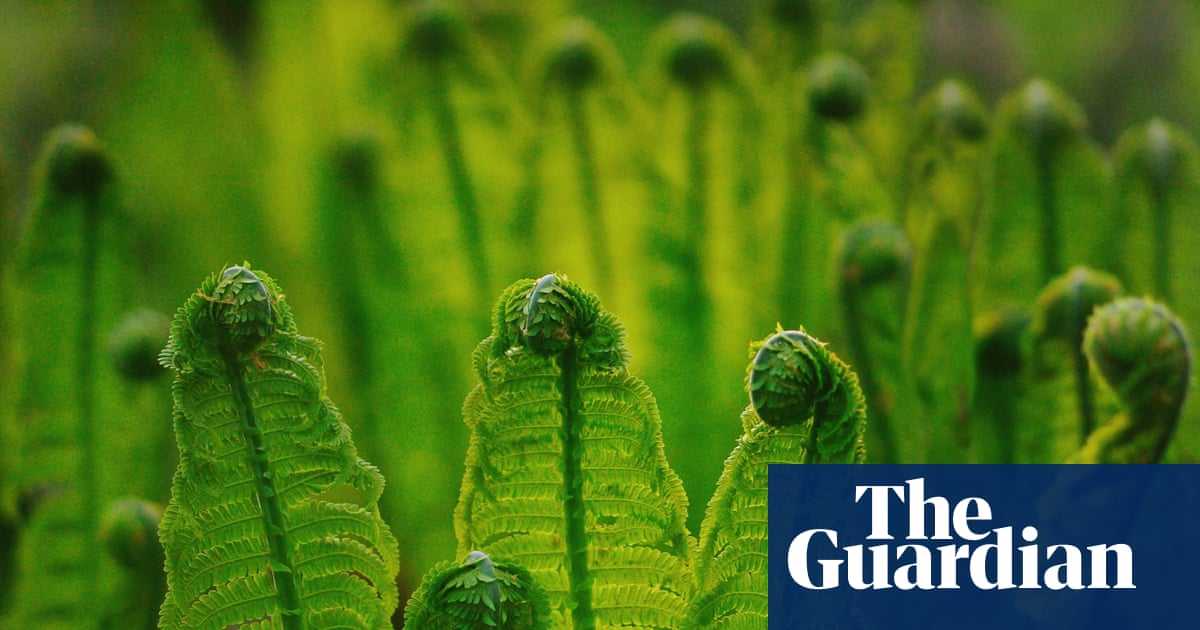

A gardener traces the dynasties that dominate the vegetal world in appropriately sumptuous prose
John Ruskin, the Victorian writer and critic, hated the way science insisted on turning his beloved natural world into something smutty. Botanists, he complained, used “microscopic malice” to reduce the spurs, petals and stamens of his favourite flowers to “obscene processes and prurient apparitions”. Others were less squeamish. In 1908, Marie Stopes, the scientist who later became a champion of birth control, spent three days in Japan’s Matsushima Bay in a state of “grand excitement” hunting ginkgo sperms. Oliver Sacks, the neurologist, passed his adolescence at Kew gawping at the cycads’ sexual organs. Reading Ben Dark’s excellent account, it is hard not to conclude that even the most modest plants are living in a state of permanent arousal.
Each of Dark’s chapters tells the story of one plant dynasty, from rootless, seedless pond scum to alpine meadows. Some 97% of all the species that have ever existed are already extinct, but traces of them live on in their descendants, and it is these ancient threads that Dark pursues in this absorbing book. He is a professional gardener, yet his tastes run to the surprisingly sludgy. Orchids and roses have their place in the Green Kingdom, but nothing thrills him more than an evil-looking pond, rich in microscopic nutrients.