
ISKANDAR PUTERI: Johor is considering three additional licensing conditions to prevent foreigners from illegally operating businesses through local licence holders.
The measures target ‘Ali Baba’ arrangements, where Malaysians rent out or allow foreigners to use their business licences to bypass restrictions on foreign business ownership.
Johor Housing and Local Government Committee chairman Datuk Mohd Jafni Md Shukor said the proposed conditions would prioritise Malaysians as cashiers at retail outlets, require foreign workers to have valid passports and work permits, and require business owners to submit updated lists of foreign employees to local authorities.
Jafni said the state government was reviewing licensing guidelines across all 16 local authorities to standardise requirements and enforcement while protecting business opportunities for Malaysians.
“From 2025 to September this year, enforcement operations by the 16 local authorities resulted in 1,092 seizures, 211 notices and 511 compounds, with the compounds totalling RM324,500. The offences involved foreigners operating businesses without licences.”
Jafni said foreigners had not been issued hawker licences to operate at morning, night or farmers’ markets.
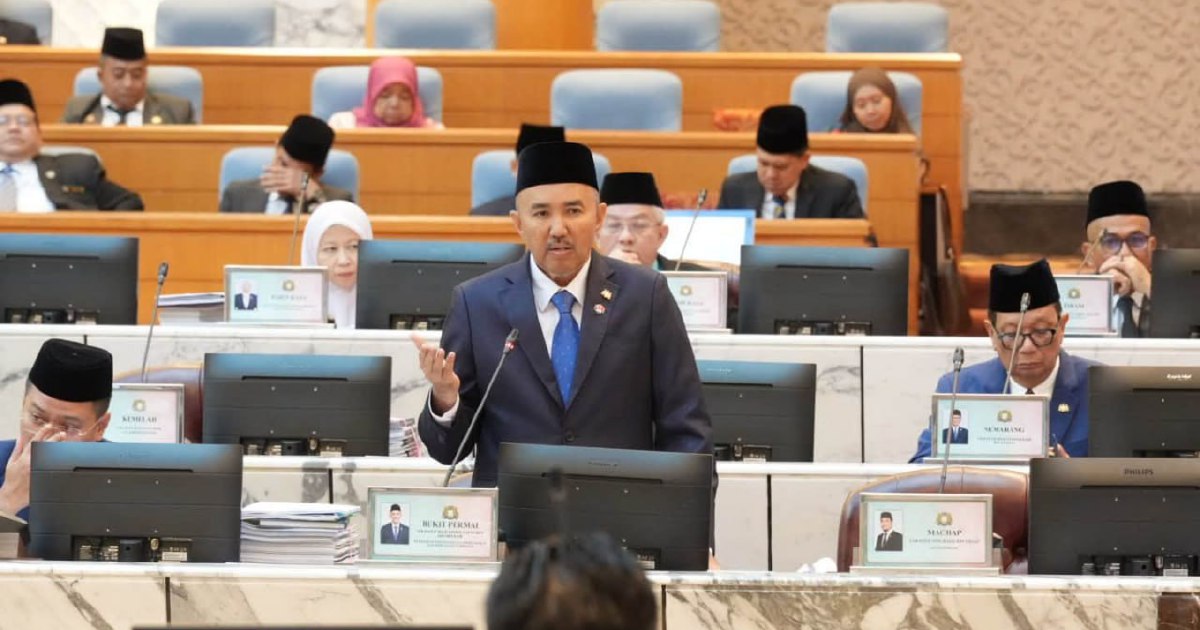
“Licences issued to Malaysians are not meant to be rented out, surrendered or transferred to foreigners. Any misuse will result in stern action, including licence cancellation, subject to existing laws,” he said during the state assembly sitting at Kota Iskandar today.
He was responding to questions from Selamat Takim (BN-Sungai Balang), Baharudin Mohamed Taib (BN-Permas) and Anuar Abd Manap (BN-Pemanis) on the growing presence of foreigners, including those operating businesses illegally.
Jafni said the state government was also studying amendments to local authorities’ Trade, Business and Industrial by-laws to strengthen controls and action against licence abuse.
It had also proposed that local authorities identify 290 business activity hotspots for targeted monitoring and enforcement.
These comprise 90 areas under three city councils, 140 under seven municipal councils and 60 under six district councils.
Monthly integrated enforcement operations involving local authorities, the Immigration Department, police, the Labour Department and relevant technical agencies were also being proposed.
“Enforcement must not be seasonal or triggered only when an issue goes viral. Action must be firm, consistent and continuous,” he added.