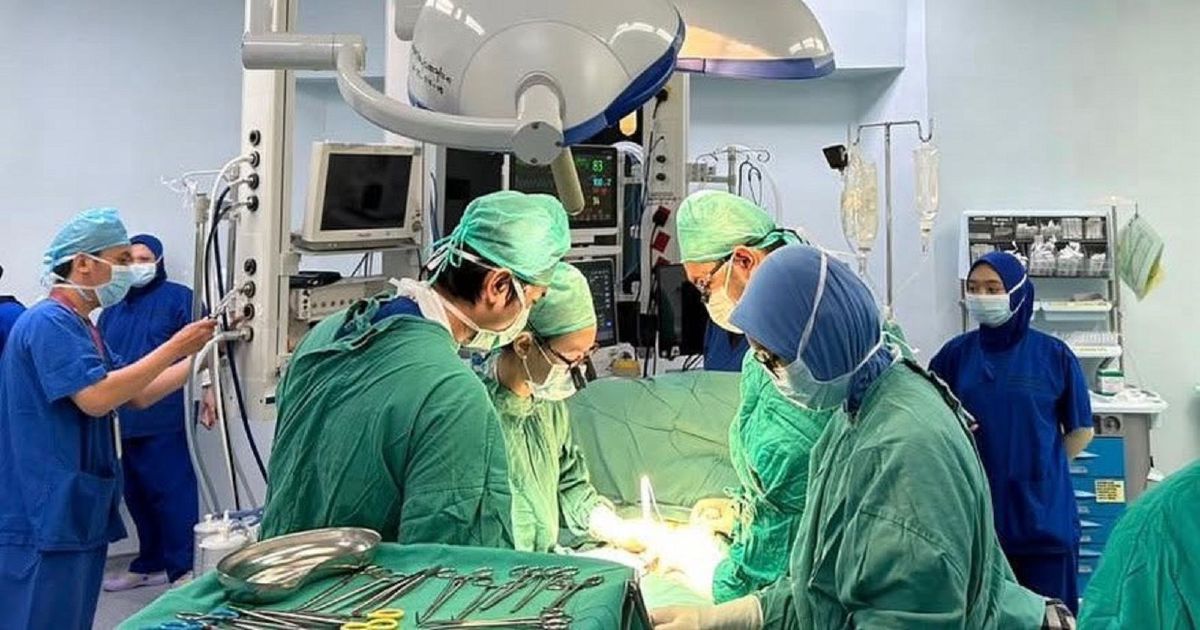

THE Health Ministry has secured approval under the 13th Malaysia Plan for an additional transplant laboratory at Hospital Selayang, amid specialist concerns that aspects of Malaysia’s kidney matching system lag behind international practice.
The facility will supplement the National Blood Bank laboratory. Hospital Selayang and Hospital Kuala Lumpur each performed four kidney transplants during the nationwide series of 16 transplants announced by Health Minister Datuk Seri Dr Dzulkefly Ahmad last Wednesday.
For patients who have waited years, identifying a suitable kidney is as important as finding a donor. Dr Rosnawati Yahya, who has been involved in the Malaysian Kidney Allocation System, told the New Straits Times that Malaysia continued to rely heavily on physical crossmatching when a deceased-donor kidney became available.
The test brings donor cells and a recipient’s blood into contact to assess the risk posed by antibodies. Virtual crossmatching uses donor tissue-typing information and existing recipient antibody profiles to assess compatibility without initially mixing the samples.
[[nid:1588761]]
Malaysian Society of Transplantation president Dr Mohamad Zaimi Abdul Wahab described aspects of the matching process as being 20 years behind. Rosnawati said antibody testing could cost about RM4,000 per patient, with repeat assessments potentially needed as antibody profiles change.
The ministry recognised the importance of comprehensive HLA typing, regular antibody screening and virtual crossmatching. It said the new laboratory would strengthen capacity but did not explicitly commit to nationwide routine screening or virtual crossmatching, or provide an opening date.
FUNDING THE SYSTEM BEHIND THE SURGERY
Rosnawati said the National Kidney Foundation had helped sustain registry infrastructure used to support kidney allocation. Accurate and regularly updated records are essential for assessing eligibility and matching donated kidneys.
Asked whether it would establish a dedicated annual transplant budget and assume greater responsibility for registry funding, the ministry said allocations were distributed through the respective specialties and services under a multidisciplinary model.
“We will continue to assess the funding requirements for transplantation based on clinical needs, service capacity and available resources. This includes the necessary support for national transplant registries.”
No specific additional allocation was disclosed. The ministry confirmed that kidney allocation was already centralised under its Nephrology Services and that practices were reviewed against scientific evidence and international standards. The council’s proposed transparent allocation framework therefore raises questions about what will change, how hospital-level records will be integrated and how oversight will be strengthened.
[[nid:1588760]]
THE DISTANCE BETWEEN A PATIENT AND A TRANSPLANT
Rosnawati recalled a teacher from Limbang, Sarawak, who had waited years and eventually travelled to Penang to stay with family and undergo dialysis there. His experience illustrates how geography can complicate access to transplant assessment and care.
The ministry’s plans for a centre in Sabah could help address that disparity. It did not identify a specific new centre in Sarawak or provide a timetable.
For patients such as Siti Rahayu Abdullah, an Orang Asli woman interviewed by NST after receiving a kidney transplant, the difference is felt in everyday life: freedom from regular dialysis and greater independence. A transplant still requires ongoing medical care, but it can transform how people live.
[[nid:1588759]]
The approved Selayang laboratory is a concrete step. Its value will depend on whether better testing, reliable records and regional services become accessible to the patients who need them.