
LONDON: No, the UK won’t have to ban smoky bacon crisps, and no, British breakfast favourite marmalade won’t need to be renamed.
As Brexit wars return to the British political discourse, the government has hit back at claims fuelled by this week’s crunch UK-EU summit aimed at forging closer ties with the 27-nation bloc.
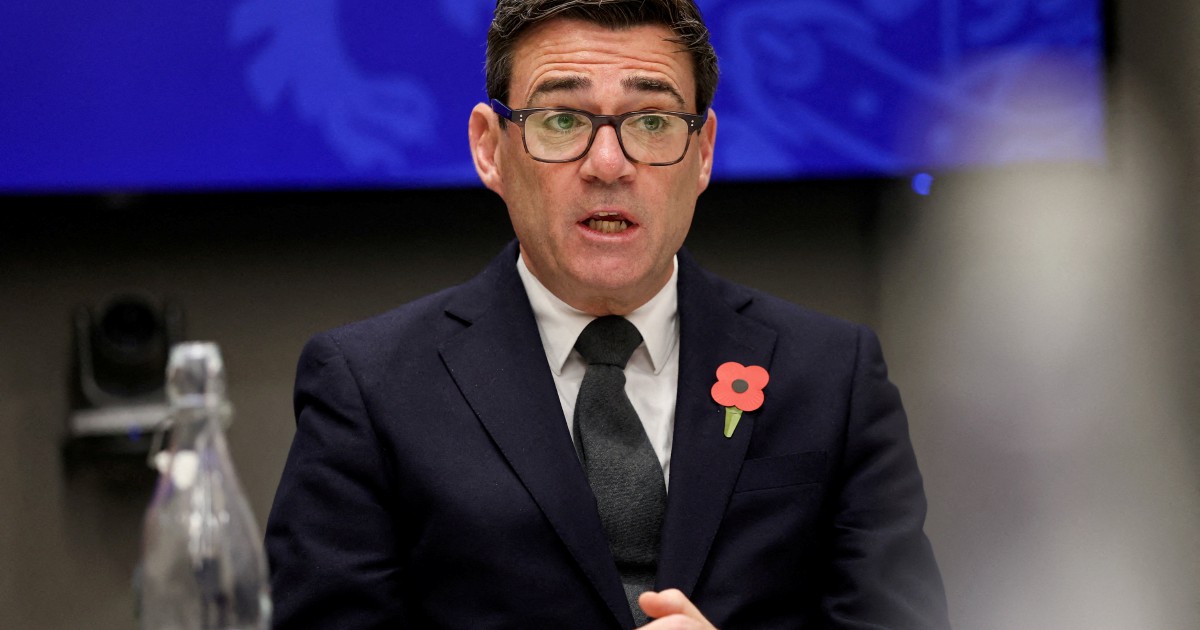
In its “factsheet and mythbuster” released late Tuesday, Prime Minister Andy Burnham’s government said it wanted to clarify “several points” about a package being negotiated with the European Union.
Friday’s Brussels summit is set to focus on securing three agreements – cutting red tape for food exports, linking the two sides’ emissions-trading schemes and finalising a “youth experience” scheme.
The UK government says the food and drinks deal alone could add £5.1 billion (US$6.7 billion) to the country’s economy.
But pro-Brexit campaigners fear Burnham will push at some point to rejoin the bloc.
The UK voted by a knife-edge in 2016 to leave the EU.
In a reminder of the bitter Brexit battles which have plagued the UK, claims have been re-surfacing – mostly in the UK media – that the talks will usher in a new era of EU influence on Britain.
“Smoky flavours in crisps, sauces, and soups will remain on UK supermarket shelves,” the government statement said.
And “British marmalade will not need to be relabelled, as most British marmalade brands on supermarket shelves already meet European labelling rules,” it insisted.
It also stressed that a ban on small sachets of ketchup and mayonnaise or on single-use plastics like straws, cutlery and cotton buds was not part of the draft agreements on the table.
The statement also dismissed “largely speculative” reports that the UK would have to pay millions of pounds into the EU budget under the new package.
Burnham has committed to his predecessor Kier Starmer’s “red lines” on Europe for this parliament, meaning no return to the single market, customs union or freedom of movement.
In a foreign policy speech Monday he said discussions about the long-term relationship with the EU beyond the next election – due by 2029 – would only begin after Friday’s summit.
“The deal that’s on the table will bring growth to the British economy,” Burnham told MPs Wednesday during weekly questions.
“The truth is the Brexit deal that they negotiated wasn’t good enough,” he said in comments directed at the Conservative opposition.
“They’ve burned bridges with our largest market, old friends and neighbours. They just destroyed all of those relationships.”