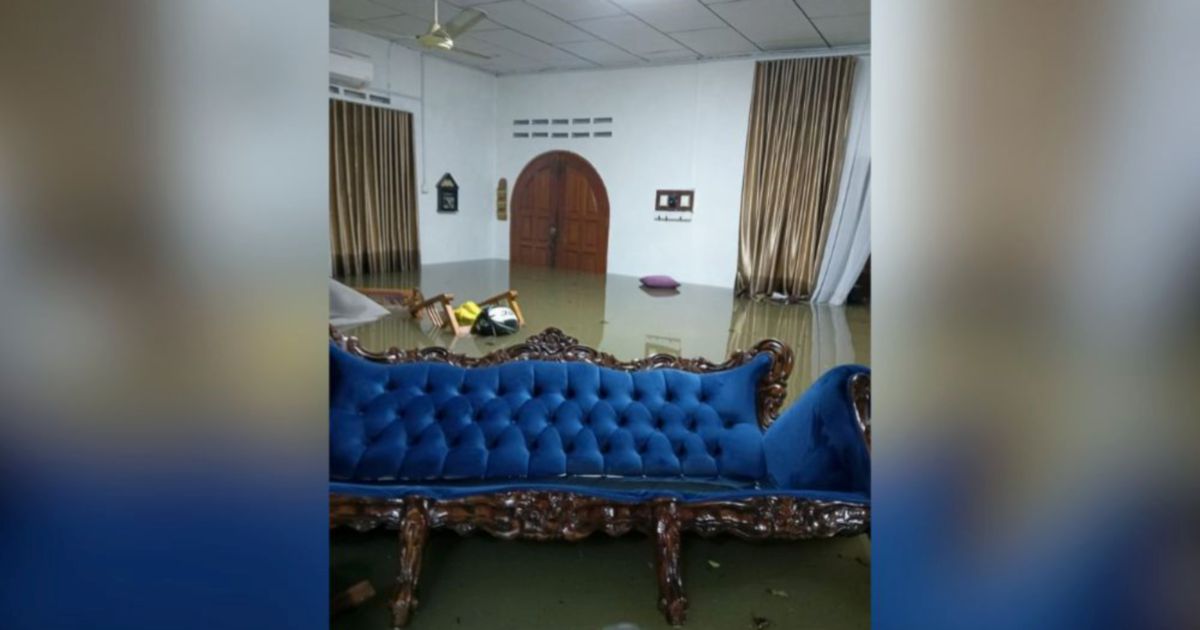

WHEN a family’s flooded living room becomes an operations centre’s first warning, the alarm has sounded at the wrong end of the disaster. The family is no longer waiting to be warned. It is waiting to be rescued.
The Civil Defence Force’s decision to monitor social media round the clock is encouraging. A resident’s post can help responders locate a stranded family or detect flooding where it was not expected. But social media must be an extra set of eyes, not a substitute for early warning. A community should not have to broadcast its distress before the authorities learn it is in danger.
The Meteorological Department’s (MetMalaysia) outlook projects three to five spells of prolonged heavy rain this northeast monsoon. No forecast can tell us exactly which road will be cut off first. That uncertainty is precisely why evacuation routes, back-up transport and clear instructions must be in place before the deluge starts, not improvised when floodwaters rise.
Every district at risk must publish a clear, practical flood-readiness plan before the monsoon begins. Residents must know where to seek safety, how evacuation orders will reach them and whom to contact if they need help leaving their homes. The plan must name the officer authorised to order an evacuation, specify the conditions that trigger action and identify alternative evacuation routes if main roads become impassable.
Readiness cannot remain a paper commitment: it must be tested through drills that establish whether warnings, evacuation procedures and rescue arrangements will work after dark, without electricity or mobile coverage. Put the plan online, but do not leave it there. Post it at shops, clinics and places of worship.
Work with community leaders to reach people who may never see an alert on a cellphone. An older person living alone needs to know who is coming to rescue them, not merely that an evacuation centre is open.
Readiness also means doing the less visible work in the dry months. Clear drains and culverts, deepen the silted rivers without fail, before they are tested. Where the same streets flood repeatedly, publish what the last flood exposed, what has been fixed and what remains unresolved. If development is proposed in areas that are flood prone, require planners to explain how it will affect the people who live downstream.
When the floodwaters recede, judge the response by how much time people had to get to safety, not simply by how quickly teams were despatched. We cannot know when the river rises. We can decide, well before it does, who acts, when they act and how residents will cope. Next monsoon, no family should have to post a video from its living room to find out whether anyone is coming to their rescue.