
A teenager posts a perfectly innocent photo online. Before long, someone uses artificial intelligence to turn it into a sexually explicit fake and shares it with classmates. It’s disturbing to think that something as simple as sharing a photo could lead to this kind of abuse. And for the child involved, the damage can last long after the fake picture gets taken down.
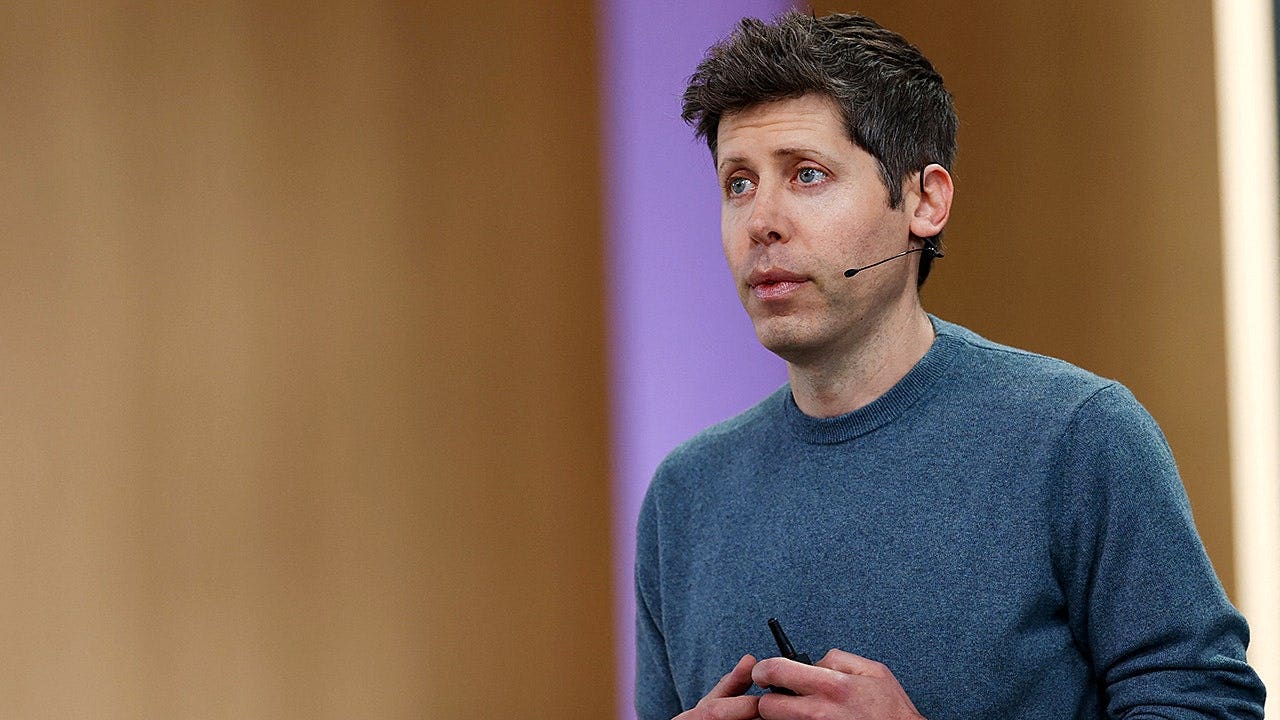
Now OpenAI is stepping up its efforts to tackle the problem. The company is introducing a new AI tool designed to detect suspected child sexual abuse material, including content created with artificial intelligence. It’s also cracking down on attempts to find abusive material through ChatGPT, with new warnings and 24-hour suspensions. Here’s a closer look at what’s changing and what parents need to know.
Missed CyberGuy LIVE? Watch the replay and discover 5 ways to travel smarter and save money.
Our free CyberGuy LIVE class, 5 Ways to Travel Smarter and Save Money, has ended, but you can still watch the full replay. Kurt “CyberGuy” Knutsson walks you through five practical ways to protect your phone and personal information, avoid common travel scams, find better deals, save money on bookings and use technology to make your travels easier and less stressful. No technical experience is needed.
Watch the free replay + downloadable checklist now at CyberGuyLive.com.
ROBLOX SHARES AI CHILD-SAFETY TOOLS PARENTS SHOULD KNOW
Finding child sexual abuse material online has become more complicated as AI-generated content spreads. Many existing detection systems use digital fingerprints, called hashes, to recognize previously identified abusive files. However, newly created material may have no matching fingerprint. OpenAI’s new classifier examines visual signs of potential child sexual abuse material, also known as CSAM. That allows it to flag suspected abuse even when the content has never been identified before.
The system assigns scores to potentially abusive pictures so human reviewers can decide which cases need attention first. OpenAI says it developed and evaluated the technology with help from the National Center for Missing & Exploited Children (NCMEC) at missingkids.org/. The company is offering the classifier at no cost to vetted organizations through its API. That could give smaller child protection teams access to detection technology they otherwise couldn’t afford.
OpenAI says its early testing produced encouraging results. In an evaluation involving pictures uploaded to its systems, the company compared the new classifier with its existing protections. The findings suggest the new tool could flag 48% fewer pictures for review while detecting roughly the same amount of abusive material. Pictures flagged by the new classifier were also about twice as likely to contain abuse.
Outside organizations reported additional results. AI platform Fal said its reviewers confirmed 72% of high-confidence flags as previously unidentified CSAM. Meanwhile, SafetyKit reported that the classifier detected 90% of cases involving drawings or animations that sexualize children in its evaluation. These results come from OpenAI and participating organizations. Independent testing will help determine how reliably the technology performs across different platforms.
INSTAGRAM’S AI MAY CATCH TEENS LYING ABOUT THEIR AGE
OpenAI is also changing how ChatGPT responds when someone attempts to find child sexual abuse material. New warnings will interrupt those attempts and explain the harm caused by sexualizing children. The warnings specifically address AI-generated material, which can cause serious harm even when a picture has been digitally fabricated. Along with displaying a warning, OpenAI says it will remove the flagged conversation and pause access to ChatGPT for 24 hours. The warning will also direct the person toward specialist support designed to help prevent harmful behavior.
Repeated violations may lead to longer restrictions or permanent account closure. OpenAI says they could also result in reports to authorities. The new warnings focus on attempts to find abusive material. Under its existing policies, OpenAI says it bans accounts and reports attempts to generate or upload CSAM to NCMEC. The company developed the warnings with input from child protection organizations and researchers who study ways to interrupt harmful online behavior. However, whether these interventions prevent future abuse will require continued evaluation.
OpenAI is expanding its work with organizations investigating online child exploitation. The company says it has begun participating in the Tech Coalition’s Lantern program, which allows organizations to share information about suspected exploitation across platforms. It’s also introducing specialized AI tools and training for child safety law enforcement units. The first investigative tool will help authorized teams review lengthy chat logs and records obtained through legal processes. Investigators can use it to identify potential connections and organize timelines, with findings linked to source material. Access will depend on agency authorization and program requirements. OpenAI is also publishing guidance to help developers detect suspected abuse and establish procedures for reviewing potentially harmful content.
IS CYBERBULLYING HIDING IN YOUR CHILD’S GROUP CHAT?
You can’t control every way someone might misuse a child’s photo. However, a few steps can help families reduce exposure and respond if something happens.
Most importantly, make sure children know they can come to you without automatically losing access to their devices. That conversation may help them speak up before harmful content spreads further.
HAWLEY CHAMPIONS GUARD ACT AS HEARTBROKEN FAMILIES SAY AI CHATBOTS ALLEGEDLY PUSHED TEENS TO SELF-HARM
If you’re a parent or grandparent, these developments could help improve protection against AI-generated child sexual abuse material. However, the new classifier works behind the scenes. Its impact will depend on how widely organizations adopt it and how effectively their safety teams respond to warnings.
The scale of the problem is alarming. According to NCMEC, its CyberTipline received more than 400,000 reports involving generative AI in 2025. These reports cover several categories of AI-related child exploitation, although not all involved the creation or sharing of AI-generated abuse material.
I’m glad to see OpenAI making this detection technology available to vetted organizations for free. The early results are encouraging, especially if investigators can spend less time reviewing false alarms and more time identifying children who need help. I also support putting consequences behind ChatGPT’s warnings. A 24-hour suspension sends a stronger message than simply telling someone their request violates the rules. We’ve already seen how AI-generated content can be used to harm children, and technology companies need to stay ahead of those who misuse their tools. OpenAI is taking steps in the right direction, and I hope other AI companies follow its lead.
Do you think AI companies are doing enough to protect children from AI-generated abuse, or should they be doing more? Let us know by writing to us at CyberGuy.com.
Sign up for my FREE CyberGuy Newsletter
Copyright 2026 CyberGuy.com. All rights reserved.