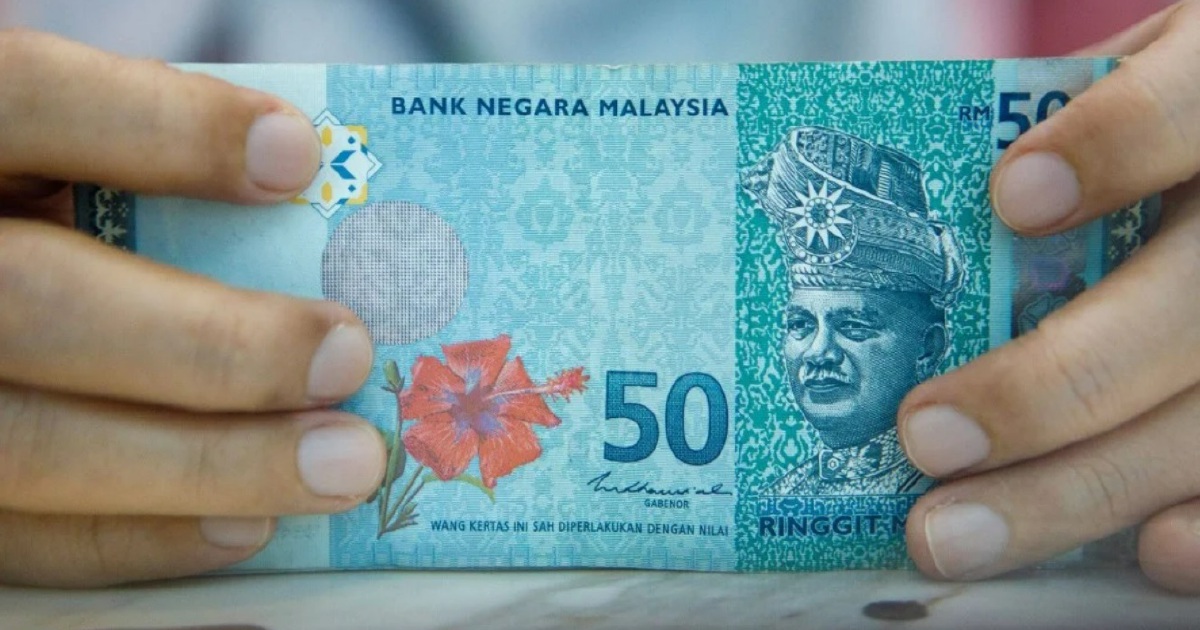

KUALA LUMPUR: The ringgit has remained relatively stable, depreciating by about 0.8 per cent against the US dollar year-to-date, said Bank Negara Malaysia.
Its governor Datuk Seri Abdul Rasheed Ghaffour said the local currency also recorded a marginal adjustment of about 0.5 per cent against the currencies of Malaysia’s major trading partners as of Nov 16.
He said Malaysia, as a small and open economy, remains vulnerable to changes in global conditions, including tighter monetary policies driven by interest rate hikes and expectations of earlier tightening, as well as heightened global risk aversion.
“Outstanding these external developments, the ringgit continues to be supported by Malaysia’s positive economic prospects.
“This is underpinned by resilient economic growth, alongside the government’s commitment to the ongoing structural reforms,” Rasheed said.
Rasheed said this at a joint press conference on the release of Malaysia’s third-quarter 2026 gross domestic product statistics, which was also attended by Statistics Department chief statistician Siti Asiah Ahmad.
Bank Negara said it will closely monitor global developments and remains committed to ensuring the orderly functioning of the domestic foreign exchange market.
Meanwhile, Rasheed said the central bank’s Qualified Resident Investor (QRI) initiative has attracted cumulative inflows exceeding US$2.5 billion (RM10.2 billion) since its introduction in April 2024.
He said the initiative has shown encouraging results in bringing overseas earnings back into Malaysia.
The QRI initiative was introduced to encourage Malaysian companies to bring back their overseas earnings and convert them into ringgit while maintaining flexibility in their investment decisions.
Under the initiative, participating companies can reconvert eligible funds into foreign currencies and reinvest abroad when genuine investment needs arise.
Rasheed said Malaysian companies have expanded their overseas presence significantly, with direct investment abroad increasing more than eightfold from RM94 billion in 2005 to RM778 billion over the past two decades.
He said a substantial portion of their overseas earnings continued to be retained abroad, limiting the benefits to Malaysia’s financial market and economy.
“Since 2015, nearly half of the overseas earnings have been retained offshore,” he said.
He said although repatriation decisions are influenced by prevailing market and business conditions, the QRI initiative has helped bring overseas earnings back to Malaysia, boosting domestic foreign exchange liquidity and benefiting the economy.
“Going forward, we encourage more domestic firms to repatriate their overseas earnings, including through greater participation in the QRI, thus enabling the Malaysian economy to benefit from the sizable funds that have been held abroad,” he added.