
KUALA LUMPUR: The United States (US) has proposed tariffs of up to 18 per cent on Malaysian goods, citing concerns that the country’s industrial policies and manufacturing practices contribute to excess production that undermines US commerce.
Malaysia is among 14 economies facing proposed tariffs under Section 301 of the Trade Act with proposed headline rates ranging from 15 to 35 per cent.
The other economies include China, Singapore, Indonesia, Thailand, Vietnam, Japan, and the European Union.
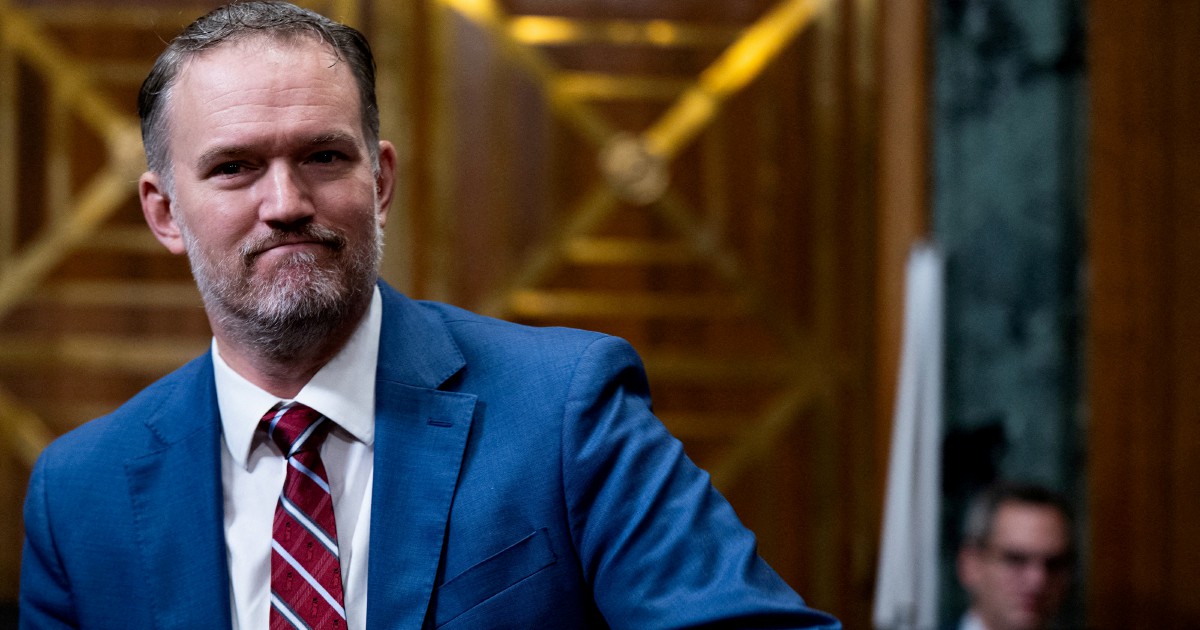
In a statement on Wednesday, US Trade Representative Jamieson Greer said investigations found that certain industrial strategies adopted by trading partners had created an uneven playing field for American manufacturers.
“For decades, many of our trading partners have adopted industrial strategies built on targeting manufacturing, wage and labour suppression, financial and other support, non-market economy inputs, and other market distorting practices that tilt the trade balance in their favour while eroding America’s manufacturing base,” he said.
USTR’s findings against Malaysia centred on four areas, namely industrial and sectoral plans to expand manufacturing and exports, preferential financing through national funding programmes, insufficient action to address excess capacity linked to imports and foreign investments from non-market economies, and inadequate labour protections.
The report identified information and communications technology (ICT) and the automotive industry as sectors of particular concern, arguing that these policies could reduce commercial opportunities for US producers and exporters in Malaysia and other markets.
Under the proposed action, tariffs of up to 18 per cent would apply to Malaysian goods, on top of existing duties where applicable, but would be subject to exemptions for certain products.
On Malaysia, USTR said the proposed tariff rate of up to 18 per cent would be net of existing Section 301 tariffs, with exemptions for certain goods.
The proposal took into account existing duties under Sections 301 and 232, ongoing consultations with Malaysia, and commitments under the US-Malaysia Agreement on Reciprocal Trade.
However, USTR also proposed considering tariffs of up to 25 per cent, net of existing Section 301 tariffs, should it find that ongoing consultations and commitments under the reciprocal trade agreement were unsatisfactory.
Greer said the proposed action was intended to address what Washington viewed as unfair trade practices and strengthen the competitiveness of American manufacturers.
“In recognition of this, since 2016, leaders ranging from Donald Trump, to Joe Biden, to Xi Jinping, to Emmanuel Macron have recognised the threat that structural excess capacity and production poses for the global economy,” he said.
Meanwhile, USTR acknowledged Malaysia’s position that it operates a rule-based trade regime and does not contribute to structural excess capacity, with the government maintaining that its manufacturing ecosystem was critical to global and US supply chains.
Malaysia also argued that its economic model was market-based and responsive to global demand, while its exports were complementary to, rather than in competition with, US domestic production.
The investigation into Malaysia was initiated on March 11, with USTR holding bilateral consultations with the Malaysian government on May 12, although the discussions did not resolve Washington’s concerns, according to the notice.
Interested parties have until Jan 5, 2027, to submit written comments and requests to participate in the public hearings, which are scheduled to begin on Jan 25, 2027, in Washington.