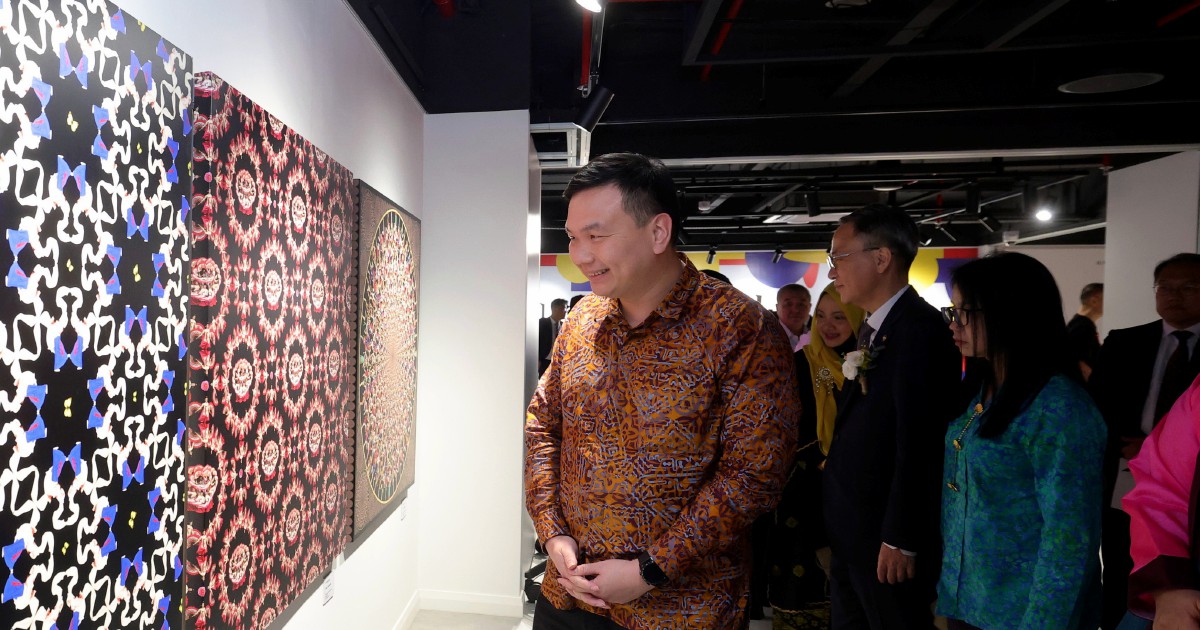

PUTRAJAYA: A total of 69 items have been recognised as National Heritage 2026, including popular traditional foods such as uthappam, mi kolok, and kek lapis.
Deputy Tourism, Arts and Culture Minister Chiew Choon Man said 39 items have been declared to date, while another 30 will be gazetted later.
In a statement marking the Sixth National Heritage Declaration 2026, he said the list reflects Malaysia’s cultural diversity.
“The total includes heritage items recognised as part of efforts to preserve and protect the nation’s heritage, covering tangible and intangible heritage as well as recipients of the Living National Heritage Award,” he said.
Chiew said 11 figures were recognised and would receive National Heritage certificates, RM20,000 in cash, and incentives from the Tourism, Arts and Culture Ministry.
Those honoured included Che Mohd Nasir Yusoff for his contributions to Kelantan shadow puppetry, Salbiah Muhi for keringkam embroidery, and Siow Ho Phiew for lion dance performances and lion head craftsmanship.
Sixteen heritage objects were also accorded National Heritage status. They include the Terengganu Quran manuscript, the Dewan Rakyat mace dating from 1952, the Dewan Negara mace used in 1966, and the table used for the first cabinet meeting chaired by Tunku Abdul Rahman.
Chiew said the remaining 30 heritage items to be gazetted include the Gawai Dayak Festival, Adat Berkadim, and the pending.
“The list also features traditional Malaysian dishes such as kacang pool, nasi kandar, apam Johol, kuih chang, char kue kak, and pasembur,” he said.
Other items on the list include Malaysian Breakfast Culture, Tadau Kaamatan, Baba Nyonya wedding customs, Tahnik, copper craft, traditional clogs, tajau, sompoton, Kain Punca Potong, Kain Limar Tenggarung, Baju Sikap, Hikayat Puteri Saadong, the Mahsuri Legend, the Legend of Puteri Santubong, and Tuhfat Al-Nafis.
Chiew said the declaration of National Heritage is an important legal responsibility under the National Heritage Act 2005 [Act 645], which entrusts the Heritage Commissioner with screening, research, and technical assessments.
“However, the law stipulates that the final authority to declare an item as National Heritage rests with the minister.
“This mandate carries great significance. The declaration is not merely about conferring a name or title, but represents the highest form of recognition by the federal government,” he said.
He said all National Heritage items would enjoy legal protection, be prioritised in preservation efforts, and receive government support for conservation.
Chiew said tourism centred on cultural heritage could generate income for arts practitioners, craft businesses, and local communities.
“However, efforts to develop this potential must go hand in hand with preserving the authenticity and value of our heritage,” he said.