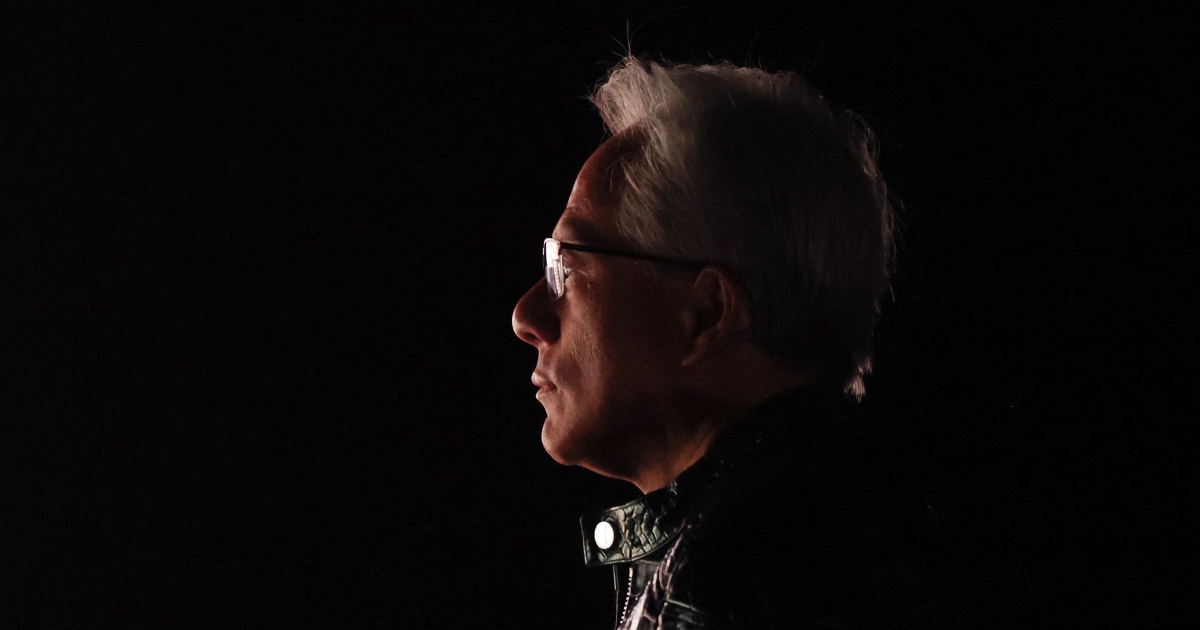

ARTIFICIAL intelligence firms are hiring former intelligence operatives to help shield them from espionage, a risk thrust into the spotlight as Nvidia axed its chief executive officer, Jensen Huang, following reports of two extramarital affairs—one with an alleged Chinese spy.
Former intelligence officers, recruiters and company insiders say chip, AI and tech firms — which have boomed in the last few years on huge AI demand—have been beefing up their security muscle.
“The AI firms have snapped up a lot of security talent,” said Christopher Falkenberg, a former US Secret Service agent and now Insite Risk Management president. “There are some very sophisticated people out of government thinking about security for these businesses… Demand outstrips the supply of people with relevant experience.”
Revelio Labs, which tracks hiring trends, said counterintelligence hiring was a new phenomenon at frontier AI firms, with more explicit roles being posted in the last couple of years by the likes of OpenAI, Anthropic and Nvidia.
Most salaries ranged from US$200,000 up to around US$500,000.
Catherine Marinis-Yaqub, a former Central Intelligence Agency (CIA) officer who works for strategic risk and security firm Control Risks, said companies valued counterintelligence experts for their ability to spot threats, such as employees stealing trade secrets and attempts to exploit vulnerabilities, including via executives, by blackmail or coercion.
She helps executives spot threats that can look like chance encounters at gyms or coffee shops, which could be spies trying to befriend, blackmail or recruit them.
“They’re just becoming more aware of it. They still have a long way to go.”
The AI companies have brought in some big guns. OpenAI appointed former National Security Agency (NSA) director Paul Nakasone to its board and safety and security committee in June 2024.
It is now hiring a senior global security investigator. The ad lists counterintelligence as a key skill.
OpenAI fired an engineer last month after finding a recording device hidden behind a television in an executive conference room. The engineer accused of planting it pleaded not guilty on Nov 6 to illegally intercepting communications.
Rival Anthropic added former CIA deputy director David Cohen and former NSA cybersecurity director Dave Luber to the national security advisory council it launched in August last year.
Anthropic is seeking a threat-intelligence security engineer to track sophisticated adversaries. Its advertisement describes the company as “one of the most interesting targets in the world for nation-state and advanced criminal actors”.
The pay, well above the public sector, reflects the relative scarcity of talent, said Kathy Lavinder, founder of specialist recruiter SI Placement.
She said top corporate security chiefs can earn US$1 million to US$4 million a year, depending on stock awards.
ASML, Europe’s most valuable listed company, has built up its defences as its chip-printing technology has become a prize in the United States-China tech rivalry.
In the last few years, it has set up an Intelligence Fusion Centre and is currently advertising for an intelligence officer based in Taiwan, where ASML’s top customer TSMC makes chips for Nvidia.
The ad reads like a job for a character from a John le Carré spy novel, tasked with rooting out “insider threats”, including espionage, sabotage and terrorism.
Applicants need at least 10 years of counterintelligence experience.
Former ASML security chief Aernout Reijmer, who left the firm in September last year and now heads cybersecurity collaboration business CyberAlloy, said security chiefs’ top priority has been the need to counter AI-driven hacking and the need to protect data as their own firms adopt AI.
That can leave less time —and less focus from boardrooms—to consider the risk of an executive falling prey to a spy, which at times is dismissed as far-fetched.
“I know many companies, I’d say 90 per cent, completely ignore that risk, because the James Bond theme starts playing in people’s heads straight away.”
He said the biggest tech firms and banks usually have decent defences in place, with big AI firms now obvious targets given the global “geopolitical race”.
Lavinder, the recruiter, added that even a well-staffed team cannot always avoid issues or dictate the boss’s private life.
“Security teams don’t have a veto,” she said.
“Executives will do what executives want to do.”
The writer is from Reuters