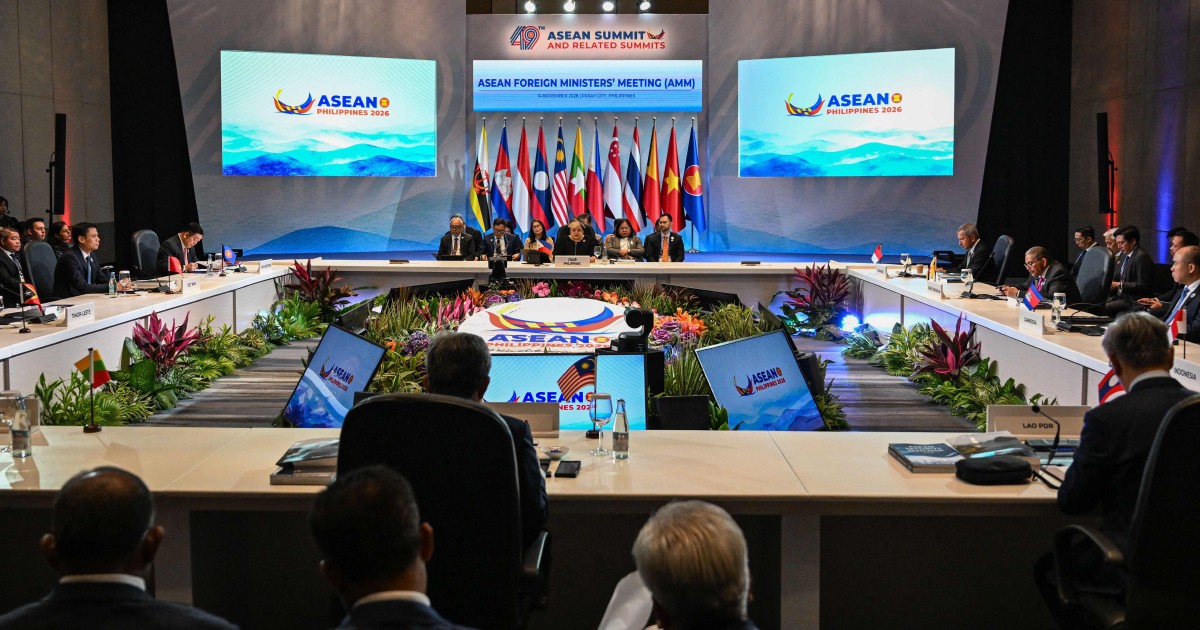

MANILA: The Philippines’ foreign minister said on Sunday that Indonesia was very candid in expressing what it had done to address forest fires.
“The leaders also encouraged the Asean member states to prioritise the ratification of the Asean Coordinating Center on Transboundary Haze Pollution Control,” Foreign Minister Theresa Lazaro told a news briefing.
On Friday, a study said thousands of hectares of land on palm oil and pulpwood concessions run by large listed firms were burnt during Indonesia’s worst fire season in years, highlighting the role of deforestation and land clearing.
Indonesia’s forest fires caused a spike in respiratory illness at home and triggered air pollution warnings and school closures across the region, with fire emissions surging to three times the seasonal average.
A total of 2.88 million hectares of land were damaged by fire from January to October this year, driven by intense El Nino weather conditions and extreme heat, as well as clearing of forests to make way for industrial-scale palm oil and pulpwood plantations, according to a joint study by Rainforest Action Network (RAN) and geomonitoring platform Nusantara Atlas.
Another report quoting scientists said, wildfires that hit large parts of Indonesia from August to October and plunged much of Southeast Asia into hazardous smoke were made much worse by “record-breaking” heat caused by human-induced climate change.
While a very strong El Nino was the dominant factor in determining the extremely low levels of rainfall across Indonesia from July, human-induced climate change contributed around 1.6 degrees Celsius of additional heat during the fire season, said a report by climate research group World Weather Attribution.
“The conditions that we saw this year would simply just not have happened in a world without the human contribution to climate change, even with the very strong El Nino that we’re seeing,” said Theodore Keeping, a researcher into wildfires and extreme weather at Imperial College London who contributed to the report.