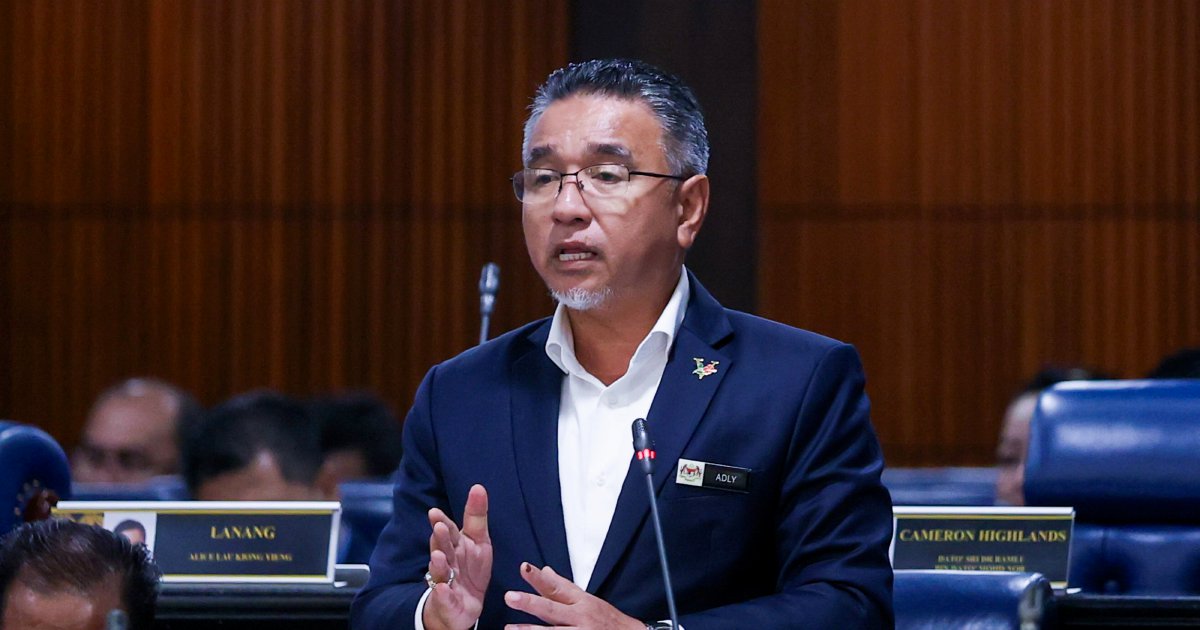

KUALA LUMPUR: The second Littoral Combat Ship (LCS2) will have a revised delivery schedule next year following delays to the first vessel, Deputy Defence Minister Adly Zahari said.
He said the delay to LCS1, which is now scheduled for delivery in April, would affect LCS2 but would not disrupt the schedules for LCS3, LCS4 and LCS5.
“LCS2 will have a revised schedule, (but) still next year. The delay to LCS1 will have an impact on LCS2.
“However, the delivery of the third, fourth and fifth LCS vessels are proceeding according to schedules,” he said when winding up the committee-stage debate on the Supply Bill 2027 for the Defence Ministry in the Dewan Rakyat.
Adly was responding to Datuk Dr Radzi Jidin (PN-Putrajaya), who had asked whether LCS2 remained on schedule following the delay to the first vessel.
LCS3 is scheduled to be commissioned in December next year, followed by LCS4 in August 2028 and LCS5 in April 2029.
Adly did not disclose the revised delivery schedule for LCS2, saying it would be issued in writing.
He also said a supply issue involving the Naval Strike Missile deal with Norway had affected the overall capabilities of the LCS, prompting the government to seek solutions to ensure the vessels’ weapons requirements were met.
He said two approaches were being pursued: taking legal action against Norway while exploring alternative sources to meet the LCS’s missile requirements.
“We are continuously holding discussions and taking further action on the matter and most recently, we also held discussions in Turkiye, as some NATO (North Atlantic Treaty Organisation) member states are involved in efforts to find a legal solution to the issue.”
He added that the government had not held any negotiations with Norway following its unilateral decision to revoke the missile export licence.
Meanwhile, he said the Defence Ministry and Finance Ministry had agreed to explore the use of alternative missiles from Turkish defence company Roketsan.
One option under consideration is the Atmaca missile developed by the company, following Roketsan’s assurance that the system could be developed in as little as six months.