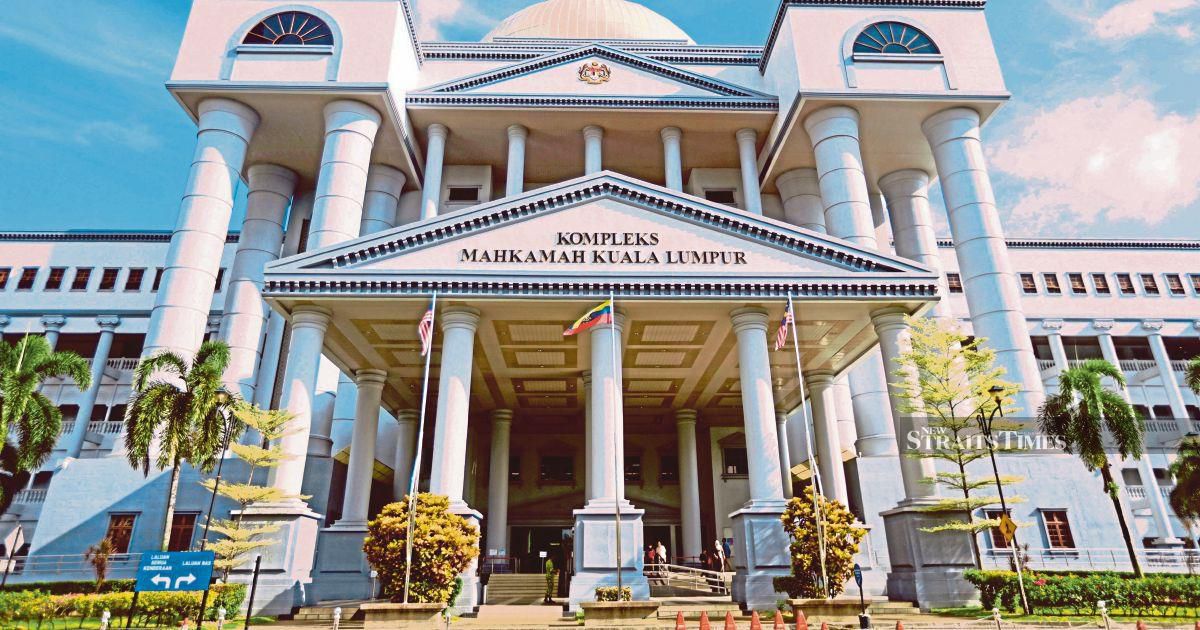

KUALA LUMPUR: The decision by the Attorney-General’s Chambers (A-GC) to defer the implementation of Datuk Seri Najib Razak’s house arrest has drawn criticism over its timing.
However, constitutional and legal expert Professor Dr Nik Ahmad Kamal Nik Mahmood believed the decision should also be viewed in the context of legal concerns surrounding the Order of Discharge issued by the Kuala Lumpur High Court.
He said the issue centred on the document’s use of the word “discharged”, which raised questions over whether Najib’s prison sentence remained in force or had been completed following payment of the fine.
Referring to the A-GC’s press statement, Nik Ahmad Kamal said he did not believe there was any dispute over the pardon decision itself.
“I believe there is no question about the pardon decision. Rather, I think it was the word ‘discharged’ used by the High Court that triggered the A-GC to issue such an order,” he said.
He said the A-GC had to consider the possibility of differing interpretations of the High Court order, which could lead to confusion and potentially have undesirable consequences for the country.
He said the A-G, as the government’s legal adviser, had to weigh the implications of those interpretations before deciding on the appropriate course of action.
He acknowledged, however, that the decision had drawn criticism.
However, Universiti Teknologi Malaysia Associate Professor Dr Muhammad Fathi Yusof believed all outstanding issues should have been addressed before the RM50 million fine was paid.
Asked on which stage the A-G could have intervened, he said Article 42(1) of the Federal Constitution vested the power of pardon for offences committed in the Federal Territories in the Yang di-Pertuan Agong.
“The king exercises the royal prerogative within the constitutional process involving the Pardons Board.
“Under Article 42(11), read together with clauses (5), (8) and (9), the A-G is a member of the Pardons Board, the king presides over its meetings and the board must consider any written opinion submitted by the A-G before tendering its advice.
“This is the appropriate stage for the A-G to raise foreseeable questions about the proposed conditions and how they would be implemented,” he said.
Fathi said once a conditional pardon had been issued, the relevant authorities were required to verify compliance and give effect to the order according to its terms.
“If a genuine issue arises later concerning the meaning or effect of a court order, the A-GC may advise the government, seek clarification from the court and, where legally available, apply for a stay.
“Article 42 gives the A-GC no power to suspend a royal pardon on its own. A request for clarification does not itself suspend implementation.
“The A-GC has also raised a separate question about how the SRC International sentence interacts with the consecutive 1MDB sentence.
“That issue may warrant prompt judicial clarification because it bears on whether there is an independent legal basis for continued detention.
“It should, however, be addressed separately from whether Najib fulfilled the conditions of the SRC pardon.
“In my view, the authorities should give effect to the royal order unless a court order or another binding legal requirement prevents them from doing so,” he said.