
DOHA: Malaysia is developing a national plan to transition critical information infrastructure to post-quantum cryptography.
This is part of efforts to strengthen cybersecurity and prepare the country for emerging threats posed by quantum computing.
Communications Minister Datuk Seri Fahmi Fadzil said he had instructed the Malaysian Communications and Multimedia Commission (MCMC) to engage with the National Security Council (NSC), National Cyber Security Agency (Nacsa) and telecommunications operators to establish a shared research and development (R&D) testbed.
He said the initiative would allow stakeholders to jointly test solutions and accelerate the transition to quantum-resistant cryptography in a secure and coordinated manner.
“As quantum communications develop, governments and industry players must build trust and interoperability through common standards, equipment testing and a phased transition to quantum-resistant cryptography, without disrupting essential services.
“Malaysia is developing a national plan to move critical information infrastructure to post-quantum cryptography. I have asked MCMC to engage NSC, Nacsa and telecommunications operators on a shared R&D testbed.
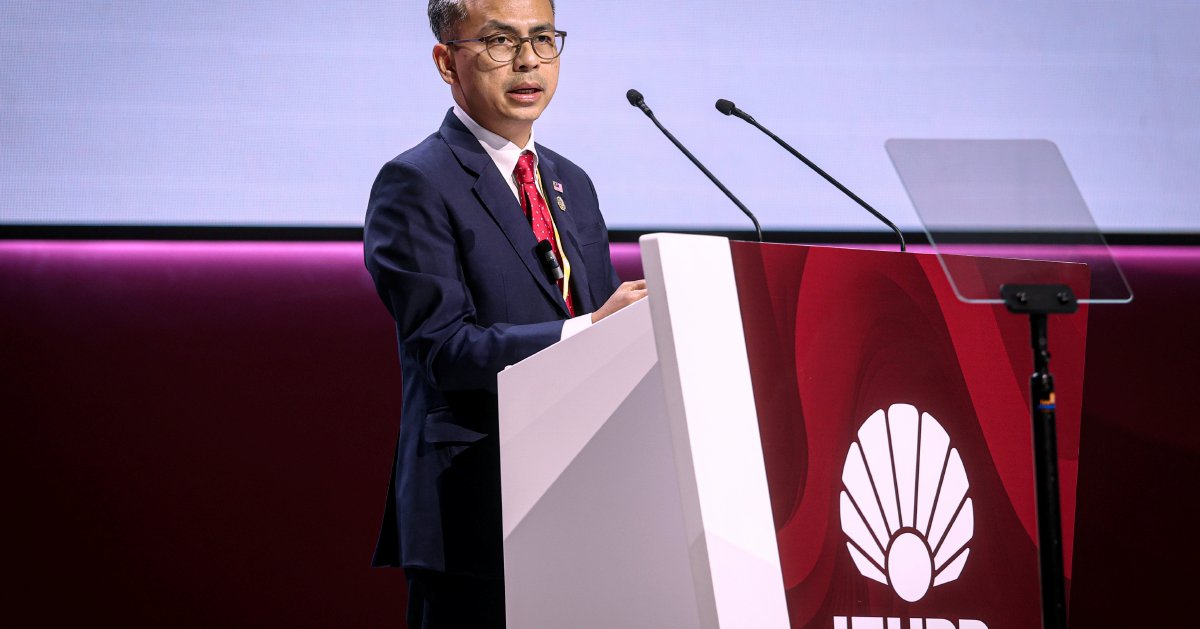
“This would let us test solutions together, and accelerate the transition securely,” he said when delivering Malaysia’s policy statement at the International Telecommunication Union (ITU) Plenipotentiary Conference 2026 (PP-26).
Yesterday, Fahmi said he had asked MCMC to hold discussions with the NSC, Nacsa and telecommunications companies to explore potential collaboration, to facilitate a faster and more secure transition to quantum-resistant technologies in Malaysia.
Quantum migration refers to the process of upgrading existing digital security systems to adopt quantum-resistant encryption technologies, designed to protect data against potential threats from future quantum computers.
Fahmi is currently in Doha to lead the Malaysian delegation to ITU PP-26, which runs from Nov 6 to 11. He is accompanied by Communications Ministry deputy secretary-general (Telecommunications Infrastructure), Mano Verabathran.
The Malaysian delegation also includes representatives from the MCMC and telecommunications companies, including Telekom Malaysia, CelcomDigi, Maxis and U Mobile.
As a specialised agency of the United Nations responsible for digital technologies, the ITU plays a key role in international telecommunications cooperation, radio spectrum coordination and efforts to bridge the global digital divide.