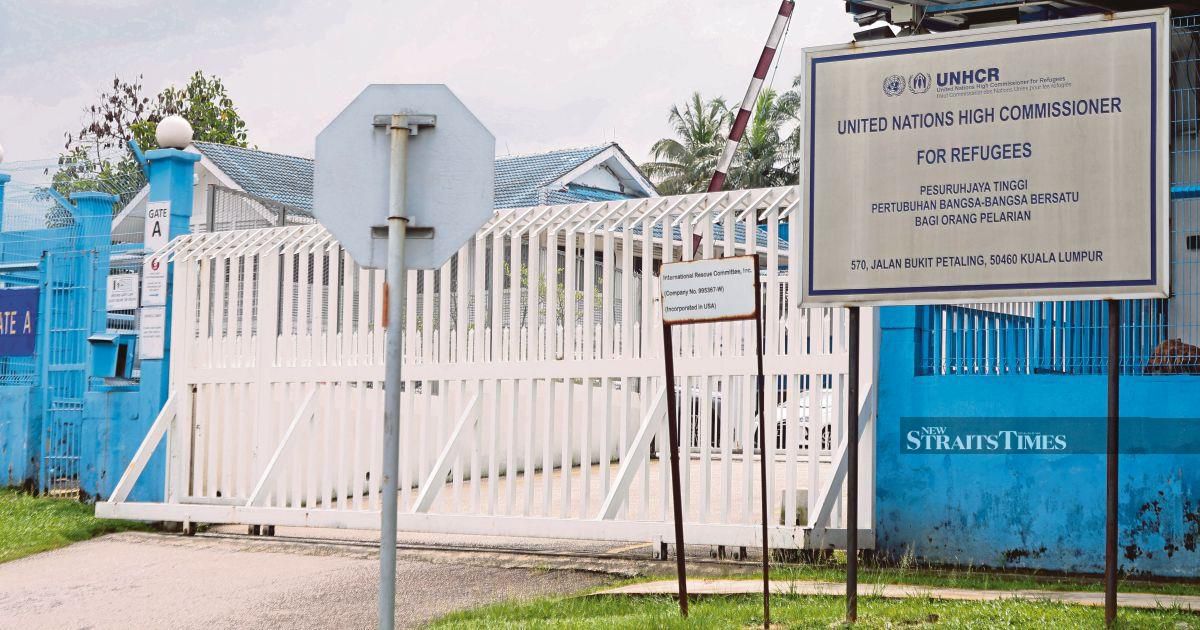

KUALA LUMPUR: Refugees and asylum-seekers in Malaysia risk losing access to life-saving healthcare and protection following the abrupt suspension of UNHCR registration.
Medecins Sans Frontieres (MSF), commonly known as Doctors With Borders, said the move could force vulnerable refugees to delay or forgo treatment because of a lack of documentation, fear of arrest and higher medical costs.
The medical humanitarian organisation said the consequences were already being felt, with one patient’s sight-saving surgery halted less than a day after the announcement, while others risked permanent disability without orthopaedic treatment.
MSF Malaysia medical coordinator Tetyana Pylypenko said 43 refugees without UNHCR registration had been denied treatment at public healthcare facilities in the past 10 months, even when they or MSF were prepared to pay.
“For medically vulnerable refugees, there is no longer a pathway to urgent care.
“Since 2024, MSF has supported 1,275 of them. Without registration, refugees are likely to delay or avoid seeking care because they lack documentation, fear arrest and face much higher costs.
“When people delay care, they tend to arrive later and sicker, which puts more pressure on emergency departments,” she said in a statement today.
MSF was responding to UNHCR Malaysia’s announcement on Nov 18 that it had ceased all refugee registration and documentation activities, in line with the government’s plan to introduce its own registration system.
The organisation said the abrupt transition could have life-threatening consequences, particularly for children, pregnant women and those with chronic or infectious diseases.
It said the UNHCR card had served as a crucial document for refugees, particularly Rohingya, who had been stripped of their citizenship in Myanmar in 1982.
Although offering limited protection, the card allows refugees to access public hospitals at half the foreigner rate and reduces their risk of arbitrary and prolonged detention during raids and roadblocks.
MSF said obtaining the card was already a lengthy process, with some applicants waiting years between registration and an appointment.
It called on the government to ensure the proposed Dokumen Pendaftaran Pelarian (DPP) system provides timely access to healthcare and essential services, alongside safeguards against harm.
The organisation also called for protection to be extended to all refugees and asylum-seekers, including those who are unregistered, awaiting registration or held at immigration detention centres.
“People fleeing persecution should not be treated as criminals,” MSF said, calling on the government to clarify the interim safeguards that would apply during the transition.