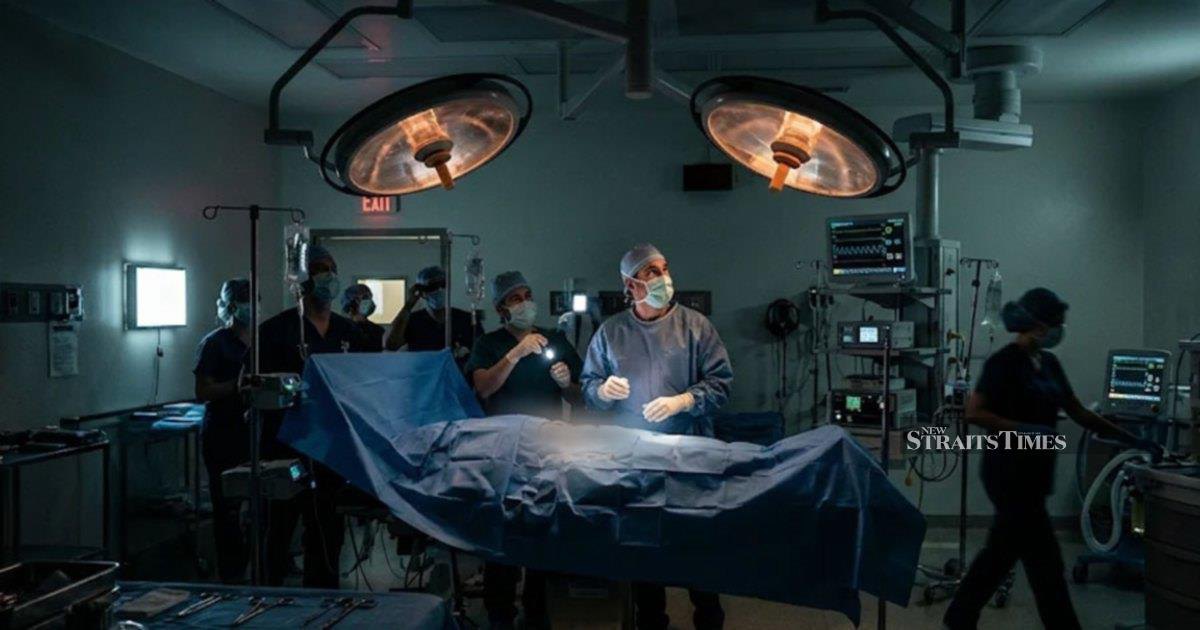

A MOBILE phone is not emergency lighting and must never become a hospital’s last line of defence.
Wangsa Maju member of parliament Zahir Hassan told the Dewan Rakyat that a doctor in Sabah stitched a patient by mobile flashlight.
Power had reportedly failed during surgery. The Health Ministry must establish what happened. Did backup systems work? Was the patient harmed? Checks elsewhere must begin now.
Patient safety cannot wait for an investigation to end. The Malaysian Medical Association has called for an immediate nationwide audit of critical hospital infrastructure.
Its concerns include reported power and water disruptions, backup failures and repeated air conditioning breakdowns. These are not mere maintenance complaints. They demand urgent action.
Start with operating theatres, Intensive Care Units and delivery rooms. Within 30 days, require every hospital to disclose its latest generator, backup battery and emergency lighting tests.
State what equipment those systems actually powered. A test date alone proves nothing. Engineers and clinical teams must verify performance under controlled power failure conditions.
Check water reserves, ventilation, logistics and oxygen supplies. Every critical failure must trigger immediate safeguards. Stop procedures that cannot continue safely. Arrange safe transfers to facilities with confirmed capacity. Resume affected services only after repairs and safety verifications.
An audit is not a repair. A report does not protect patients. The Treasury must reserve funds for urgent replacements and preventive maintenance.
Prioritise hospitals where failure would leave patients without a nearby alternative. Essential repairs cannot wait for another budget cycle.
Give every repair a deadline and an accountable official. Require independent verification before declaring completion. Missed deadlines must trigger escalation and corrective action. Report to Parliament every quarter. Name the failures, completed repairs, missed deadlines and unresolved risks.
Protect staff who report faults and near misses. Investigate any perceived retaliation and hold those responsible accountable.
The Flying Doctor Service helicopter crash in Long Lellang, Sarawak, in September claimed five lives. The ministry told Parliament that the service’s suspension affects 85 localities. Sixteen have no alternative access by land or water.
The crash and the hospital outage are separate events. Both raise an urgent question. What happens when a service patients depend on becomes unavailable?
For every remote community, designate an emergency contact, a receiving hospital and transport. Arrange air transport where roads and rivers offer no access. Equip rural clinics to stabilise patients. Rehearse transfers with the teams responsible.
A patient’s postcode must never decide their safety. Authorities must fund the repairs, test the backups and answer for failures. Patients cannot be asked to survive on assurances.