
The police force is what keeps our homes, streets and country safe, something we often give little credit to in a generally peaceful Malaysia.
Theirs is a noble calling and we also tend to take that for granted, until an isolated incident highlights that our policemen put life and limb on the line every day to safeguard what we all hold dear.
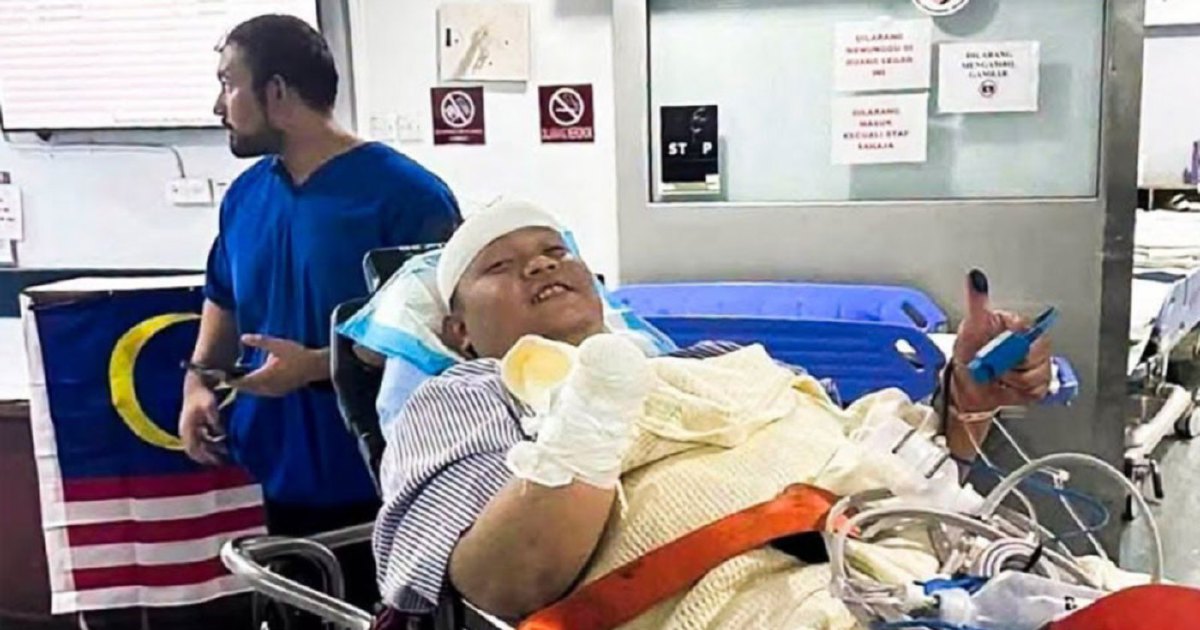
The recent heinous attack on a policeman in Kepong, which resulted in his hand being severed by a parang-wielding assailant, is a stark reminder of the risks and dangers that police personnel face in the line of duty. Much of the public discourse surrounding policing tends to focus on misconduct, abuse of power, corruption and shortcomings in law enforcement — and such cases must certainly be singled out.
Accountability and appreciation for the police are definitely not mutually exclusive. Police misconduct must be addressed but for every single act of impropriety, there are tens of thousands of upright uniformed men and women who quietly go about their work and take the occupational risks in stride.
We cannot honour them enough, more so when general peace and safety reign throughout this land.
In holding the police accountable, however, we must not lose sight of the risks that come with the job, nor the sacrifices borne by those who wear the uniform.
For an officer responding to a report of a disturbance, domestic dispute or a violent individual running amok, there is often little time to assess the danger. What may appear to be a routine call can turn into a life-threatening confrontation within seconds.
The Kepong incident illustrates how high the stakes can be. It is fortunate that we have strict laws — such as on gun ownership — that help to keep both civilians and police personnel out of harm’s way.
Still, the Kuala Lumpur police chief’s reminder for personnel to remain vigilant and respond decisively is timely. The police force must ensure its personnel are well trained, equipped and supported, and recognised by the public for the risks they undertake on our behalf.
Public appreciation for the police should not be confined to when they perform heroic acts of rescue or dramatic thwarting of crimes.
Their everyday exposure to danger deserves to be valued as a matter of course. The government and police leadership must keep ensuring officers receive proper protection, training, equipment and support, including medical and psychological care when they get injured in service.
Such police aid must also be regularly updated as new technology and methods become available. The public, too, must play its role. Respect lawful instructions, cooperate fully with investigating officers and avoid obstructing police personnel as they carry out their duties.
Above all, we must collectively ensure that the unfortunate case of the policeman losing his hand in Kepong — since reattached after surgery, thankfully — is an isolated incident.