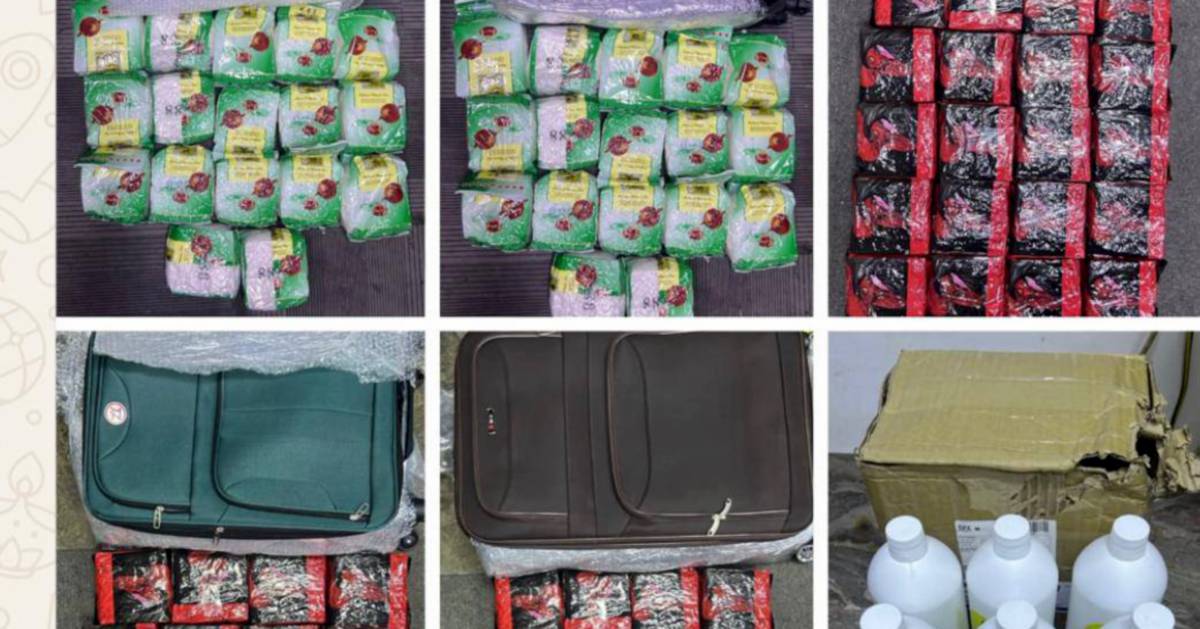

THE nation should breathe a sigh of relief. It should not breathe easy. On Nov 17, police and the Royal Malaysian Air Force (RMAF) arrested five RMAF officers and six civilians in connection with an alleged syndicate using military aircraft to smuggle drugs.
They seized 96.64kg of methamphetamine, valued at RM4.83 million, and 6.98kg of liquid chemicals. The drugs were allegedly flown from Peninsular Malaysia to Sabah, to be sent on to the Philippines and Indonesia.
Prime Minister Datuk Seri Anwar Ibrahim said the personnel involved included pilots, lieutenants and captains. Credit is due.
The police Narcotics Crime Investigation Department and the RMAF Provost Marshal Branch worked together.
Reports say personnel at Subang Air Base became suspicious after noticing luggage without security-screening stickers. An institution willing to expose wrongdoing among its own ranks deserves public trust.
The syndicate had reportedly been operating since July, allegedly exploiting taxpayer-funded military aircraft to serve criminal interests. The question is not how quickly we caught it, but how it happened. Who cleared the cargo, checked the manifests or looked away?
The NCID director said syndicates were becoming more brazen, exploiting strategic government facilities and individuals with privileged access.
If they can buy their way into a cockpit, they can do the same at a checkpoint, aboard a patrol boat or at a Customs counter. So scrutiny cannot stop at the RMAF.
The army, navy, police, Customs Department, Immigration Department, Prisons Department, Malaysian Maritime Enforcement Agency and local authority enforcement units nationwide must all face integrity checks. Not after the next scandal.
The government should establish an independent commission to oversee integrity across the uniformed services and enforcement agencies. It must report to Parliament, not to the agencies it examines.
Its mandate should cover personnel vetting, lifestyle audits, access and cargo controls at military bases, ports and border posts, and protection for whistleblowers. Punishment must hit the masterminds hardest.
First, follow the money. Use the Dangerous Drugs (Forfeiture of Property) Act 1988 and anti-money-laundering laws to trace and seize the syndicate’s assets.
Second, no protection for rank. Those convicted should be dismissed, stripped of honours and benefits, and named. Commanders who failed in their oversight duties must also be held accountable.
Third, make integrity routine. Random drug tests, regular and independently verified asset declarations, and staff rotation in sensitive posts should apply across enforcement agencies.
The suspects are presumed innocent until the courts decide. Section 39B of the Dangerous Drugs Act 1952 provides for death or life imprisonment with whipping.
The law has teeth. It must bite the head, not just the tail. Police are still hunting the Malaysian believed to lead this syndicate. He must be found. Most of our men and women guarding our seas, land and air serve with honour.
They deserve a system that protects their name from the few who would sell it. Sovereignty is not only lost at the border. It can be sold from within. Trust takes decades to earn and one flight to lose. Once lost, no uniform can win it back.