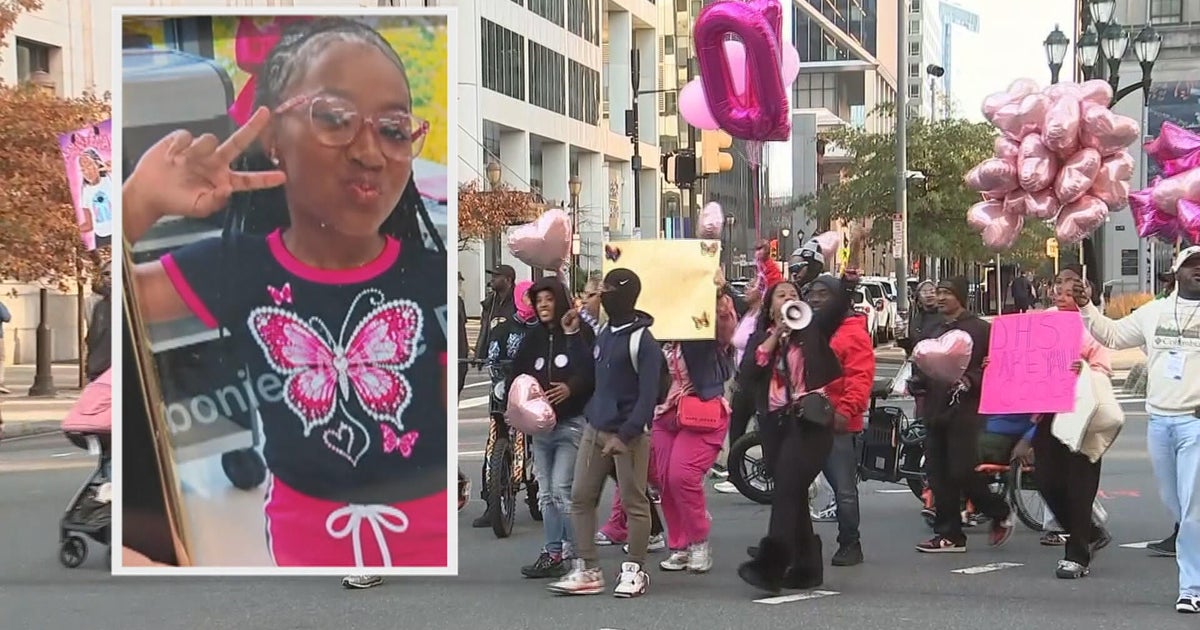

In the wake of the tragic death of Malayshia Alford, the 10-year-old Philadelphia girl who police say was killed by her foster mother, Carprice Williams, Philadelphia City Council will consider legislation to overhaul the city’s foster care system.
Part of City Council’s proposal for child welfare reform includes moving away from private agencies, known as Community Umbrella Agencies (CUAs) and giving the city full oversight. However, the city has tried that approach before and it didn’t work.
In 2012, Philadelphia implemented CUAs, private agencies that oversee the child welfare system. The change was made as part of a promise for reform after another tragedy involving a 14-year-old girl living with cerebral palsy. Danieal Kelly died in 2006 from starvation and neglect.
Her birth mother was convicted of her murder, but Philadelphia DHS workers were also found to be responsible for not properly visiting and inspecting the home. This tragedy prompted the city to outsource child welfare agencies.
Now, after the murder of Malayshia 14 years later, Councilwoman Cindy Bass wants to dismantle the private agency approach. Her bill would require the Department of Human Services to “develop and implement a comprehensive plan to transition ongoing child-welfare case management and foster-care placement oversight from privately contracted Community Umbrella agencies to direct public administration by the Department of Human Services.”
However, some experts don’t believe that will help.
“There is no evidence that any one of them is better than any other,” Richard Wexler, executive director of the National Coalition for Child Protection Reform, said. “The key is leadership, principles and practice that understands that wrongful removal drives everything else. You must stay laser-focused on reducing needless foster care.”
According to the coalition’s rate of removal index, which measures the number of children put in foster care, Philadelphia is at the top of the big city list, only behind Phoenix.
According to Wexler, who’s been researching child welfare for 50 years and served on a special committee on child separations in Philadelphia in 2022, poverty is often misinterpreted as neglect and leads to unnecessary foster placement.
“All those needless removals desperately overload the system so nobody has time to investigate any case or any potential foster home properly,” Wexler said, “so it’s easy to make the kind of terrible errors that happened here because everybody is overwhelmed.”
The coalition’s data shows that having too many kids in foster care traumatizes families, overloads the system and leads to lower standards for foster parents/homes.
Meanwhile, City Council on Friday grilled members of the Philadelphia Department of Human Services, School District of Philadelphia and other groups involved in foster care about how Malayshia ended up in Williams’ care.
The questioning of Kimberly Ali, commissioner of the DHS, lasted about four and a half hours Friday. Councilmembers drilled down on two things: what led to Malayshia’s death and how they can prevent it from happening again.
Williams has been charged with her murder. A 2021 lawsuit accused Williams of beating and starving another child, nearly to the point of death. The case was settled out of court in 2024. Councilmembers had questions as to how Malayshia ended up in her care.
DHS leaders pointed to what they called a gap in the databases. They can access the child abuse registry, but officials testified that if a parent appeals an abuse case and wins, it is completely expunged. They also say by law, they cannot access the state-run resource family registry. DHS officials say moving forward, it’s a priority for them to get access to that system.
“That’s the number one thing I’m going to do because that will give me and my staff, the disclosure unit, a more thorough picture of a potential foster parent,” Ali said. “The other thing that I’m going to do is continue to talk to not only my staff, but the impacted community, because there may be some things we are missing.”