
THE revival of ‘Puteri Gunung Ledang The Musical’ is far more than a nostalgic trip down memory lane.
Its 2026 staging shows how a classic legend can be brought back to life through fresh talent, clever stagecraft and a deeper look into the characters’ inner conflicts.
Some stories simply refuse to fade away. The tale of Puteri Gunung Ledang — packed with impossible demands, forbidden love and tragic heartbreak — is one of them.
Nearly two decades after it first enchanted Malaysian audiences, the musical proves its magic can speak to a whole new generation.
Currently running at The Grand Theatre, Jeffrey Cheah Performing Arts Centre, Sunway Square, until Nov 15, this revival features a new cast, stunning visual effects and fresh takes on familiar roles.
Directed and produced by Puan Sri Tiara Jacquelina, the show keeps the emotional core of the original while giving the beloved musical a modern feel.
PURE GRANDEUR
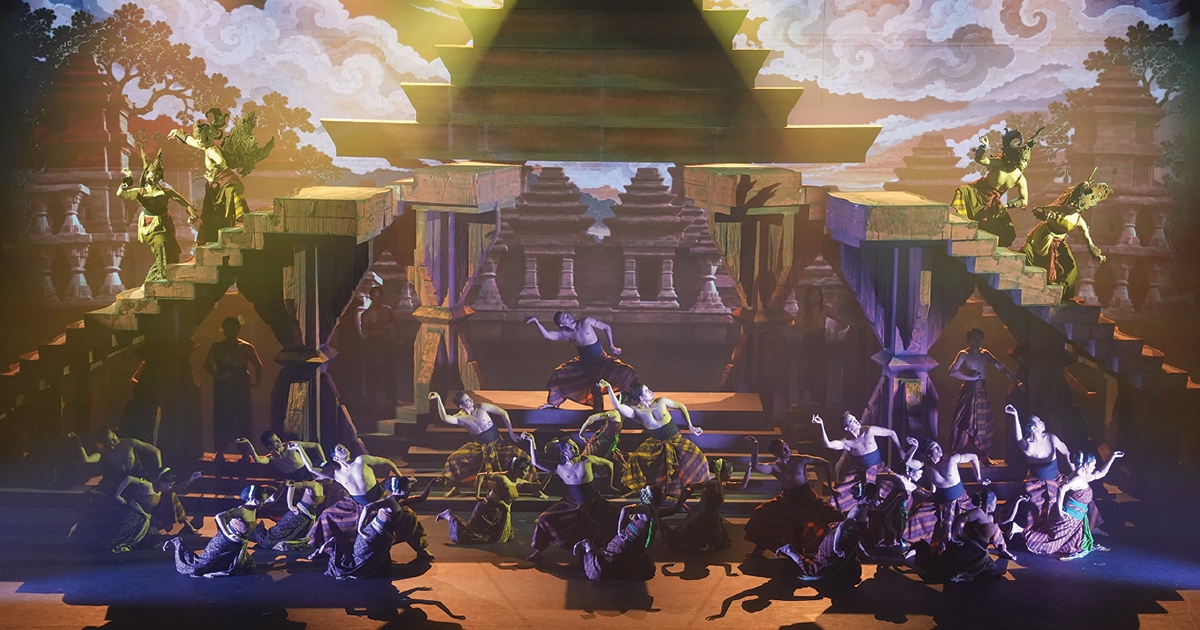
Right from the opening scene, the production sets a grand tone. Intricate sets, multi-level stages and clever lighting build an enchanting world that moves effortlessly between the royal courts of Majapahit and Melaka, and the mystical peaks of Gunung Ledang.
The mountain itself feels like a living character, with digital projections and light effects recreating cascading waterfalls and moody landscapes.
One standout moment sees Gusti Puteri sailing across the ocean. The mix of physical props and digital imagery creates a brilliant sense of real movement.
Scene transitions are seamless, while detailed costumes transport the audience straight into the world of Malay and Javanese royalty. The lighting goes beyond illuminating the stage; it builds real tension and sets the emotional mood.
STORY FIRST
Fortunately, all the visual magic never swallows up the story.
At its heart lies a messy love triangle between Gusti Puteri Retno Dumilah, the legendary warrior Hang Tuah and Sultan Mahmud Shah — a tale driven by love, loyalty, ambition and the heavy price of power.
Double-casting Aisha Retno and Mila Mohsin as Gusti Puteri is one of the production’s cleverest choices.
Both bring something unique to a role long tied to Tiara, whose iconic original performance set the standard for Malaysian theatre.
Aisha, best known for her singing career, proves she has real stage presence.
Her powerful vocals shine in the Javanese-language songs, capturing the princess’s elegance, drive and heartbreak.
Mila offers a quieter, more understated take. Her calm presence gives Gusti Puteri a fresh angle, letting her vulnerability and strength show through without copying past performances.
As Tiara’s daughter, comparisons are inevitable, but Mila proves she can stand tall on her own.
Aqasha is just as convincing as Hang Tuah. Bringing physical agility and strong vocals to the role, he plays the warrior as human rather than just a heroic figure.
His silat movements show off his authority, while his quiet moments reveal a man torn between duty to his sultan and love for the Javanese princess.
This inner turmoil gives the romance real weight, making Hang Tuah far more relatable.
[[nid:1571919]]
STRONG SUPPORT
The supporting cast shines, too. Nadia Aqilah brings deep emotion and vocal strength to Bayan, the princess’s loyal companion. She conveys sorrow effortlessly through song and dialogue.
Mimi Fly, who also plays Bayan, delivers a fascinating turn as Nenek Kebayan. Shedding her energetic pop persona, she uses a hunched posture, raspy voice and eerie laugh to create a truly theatrical character.
Luqman Hafidz turns in a solid performance as Sultan Mahmud Shah, while Yusof Hashim is equally steady as Gusti Adipati Handaya Ningrat.
The ensemble and dancers keep the energy high with tight choreography and beautiful harmonies, making every scene engaging.
Meanwhile, composer Saiful Ridzuan’s musical rearrangements blend traditional roots with a modern theatrical edge.
A FRESH TAKE
The revival works because it revisits the material rather than copying old success.
Tiara notes that the creative team reread the script, digging deeper into each line and character motivation.
That work pays off on stage with a greater focus on the characters’ mindsets.
The famous seven conditions demanded by the princess are no longer just impossible tasks; they represent the tough sacrifices that decide everyone’s fate.
As Tiara explained, the tragedy is that no one wins.
“Hang Tuah doesn’t win, the sultan doesn’t win, and neither does the Puteri,” she says in an interview, describing the story as a beautiful tragedy where everyone must live with their choices.
The emotional ending drives this home, leaving the audience with more than just memories of big sets and tunes.
While being a timely reminder of a deeply human story, it also gives a new generation of performers the chance to make a landmark work their own.
Ultimately, ‘Puteri Gunung Ledang The Musical’ succeeds because it understands that classics must grow to stay fresh.
It honours the past while pointing towards a bright future for Malaysian theatre. The story has passed into new hands, but its heart beats as strong as ever.