
KUALA LUMPUR: A home should be assessed not only by its price or potential capital appreciation but also by how well its location supports the family’s needs over the next 10, 20 or even 30 years.
For young families looking to buy a home in the Klang Valley, the decision increasingly comes down to a trade-off between affordability, accessibility and time.
Living closer to Kuala Lumpur offers shorter commutes but often comes with a higher price tag.
Moving further out may make home ownership more affordable, but the savings can come at the expense of longer journeys to work, schools and essential services.
The National Property Information Centre’s (Napic) Property Market Report 2025 puts the median house price at RM530,000 in Kuala Lumpur and RM475,000 in Selangor. Nationwide, more than three-quarters of residential transactions were priced at RM500,000 or below.
Yet the purchase price tells only part of the affordability story.
TomTom’s 2025 Traffic Index found that congestion cost Kuala Lumpur motorists about 84 hours over the year during peak-hour travel. For families, time spent in traffic means less time for children, work, rest and caring for elderly parents.
This is where established neighbourhoods on the outskirts of the capital, particularly Ampang, could offer a compelling alternative.
With schools, healthcare facilities, retail outlets and established residential communities already in place, Ampang offers proximity to Kuala Lumpur without requiring buyers to live within the city’s more expensive property market.
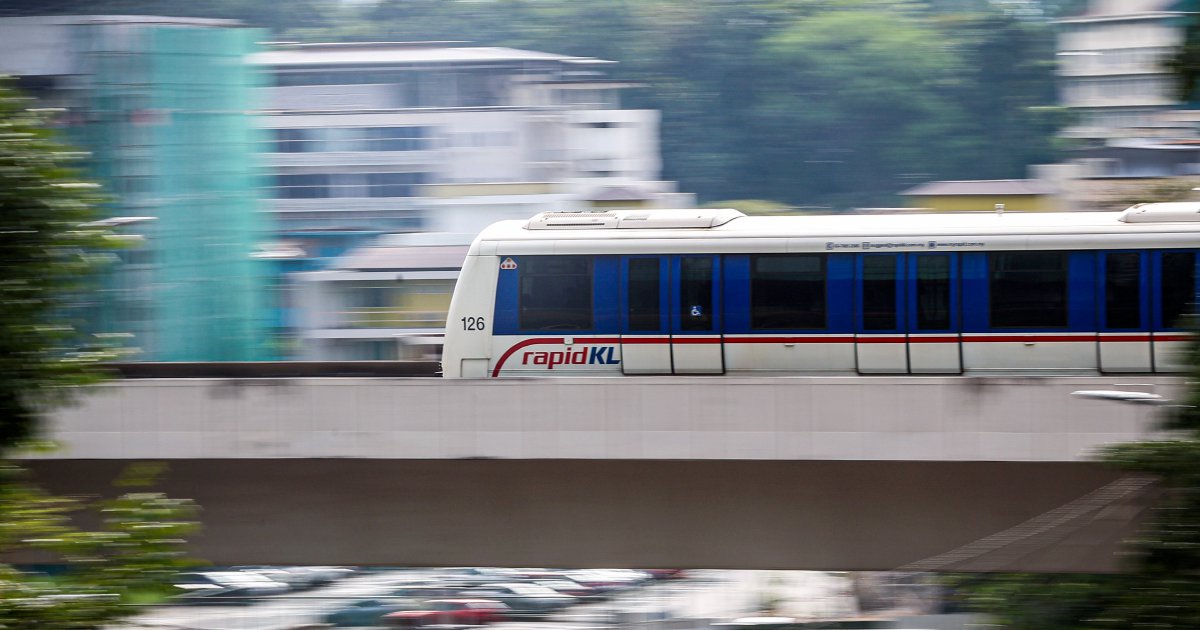
Its appeal could receive a further boost from the proposed MRT3 Circle Line, which is expected to strengthen rail connectivity across Kuala Lumpur and its surrounding suburbs.
Runnymede Group managing director Datuk Seri Mohd Ramzan Ibrahim said the planned rail connectivity could enhance Ampang’s attractiveness as a residential destination, particularly as homebuyers increasingly consider accessibility and long-term convenience.
The proposed MRT3 alignment includes a Taman Hillview station, potentially providing residents in parts of Ampang and surrounding neighbourhoods with another connection to the wider Klang Valley public transport network.
Designed as a circular route linking existing rail lines, MRT3 is intended to make transfers between different parts of the network easier without requiring commuters to travel through the city centre. This could improve access to employment centres, commercial districts and other key destinations.
With the full line anticipated to be operational by 2032, MRT3 could become an important consideration for buyers evaluating Ampang’s longer-term residential prospects.
Improved public transport connectivity could also enhance the appeal of neighbourhoods that currently depend heavily on private vehicles, potentially broadening their attractiveness to buyers who prioritise access to public transport.
Nevertheless, buyers need to distinguish between infrastructure that is already available and projects that remain in the pipeline. The prospect of a future MRT station should not be the sole basis for a purchase, nor should improved connectivity automatically be equated with higher property values.
The more important consideration is whether the neighbourhood can support a family’s everyday needs today, with MRT3 offering an additional advantage when it becomes operational.
Against this backdrop, Runnymede Group is positioning Runnymede Valley Ampang, with Merdu Residences as its first residential phase.
The freehold development comprises 317 units across five layouts ranging from 725 sq ft to 1,280 sq ft. Located along the Middle Ring Road 2 (MRR2), it is targeted for completion in 2030.
The wider development is planned to incorporate residential units, neighbourhood retail, boutique hospitality, wellness and education components, with the aim of serving both residents and the surrounding community.
A key feature of its residential concept is its emphasis on multigenerational living.
Younger families will occupy separate residential towers, while elderly parents will have a dedicated independent-living tower located less than 100 metres away.
The arrangement is designed to give different generations their own space and independence while keeping them close enough to provide practical support, whether through grandparents helping with childcare or adult children looking in on their ageing parents.
Ramzan said the development was conceived around the importance of family and the opportunity to build on Ampang’s established appeal.
“We see Runnymede Valley Ampang as an opportunity to build on what already makes Ampang a meaningful place to live. For us, the idea of home is closely tied to family. We want to bring generations closer while allowing each to enjoy their own space and independence,” he said.