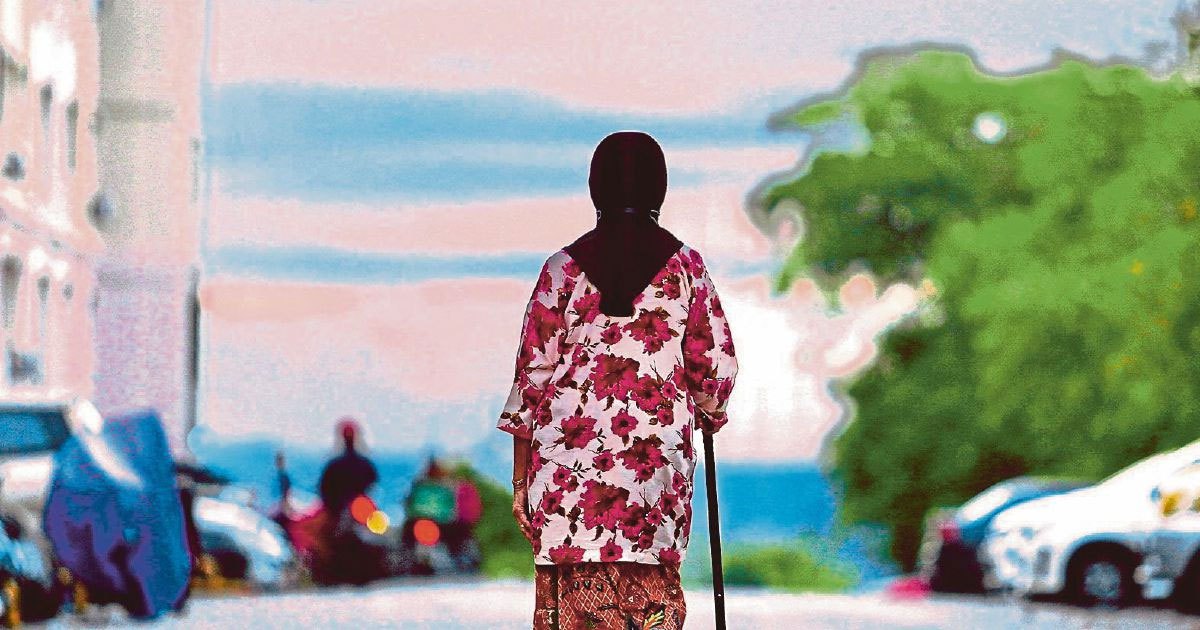

The longest a human being has lived is 122 years while the average global life expectancy is 74 years.
Malaysia’s is 74 to 77 years, the oldest ever recorded is 113 years. In striving for a long life, the salutation “semoga panjang umur” (may you live long) is imbued in prayers and birthday wishes.
The real objective is good mental and physical health, and reliable financial means for sustenance, medical emergencies and leisurely pursuits.
The concern was expressed by Sultan Nazrin Muizzuddin Shah, who affirmed that healthy ageing should not be a privilege reserved only for those who can afford it.
In delivering his royal address at a wellness forum, the Sultan of Perak asserted that healthy ageing must be inclusive, accessible through environment, services and technology.
Sultan Nazrin has compelled us to do a rethink on what it means to live longer. We must reconfigure retirement and pension systems, lifetime education, employment opportunities, healthcare financing, wealth distribution and inter-generational wealth transfers.
It doesn’t just mean avoiding illness or maintaining a strong physique: it also means an active, meaningful and independent life for the duration of our lives.
Malaysia is on the right path with the National Policy for Older Persons: elderly and preventive healthcare, senior citizen centres and chronic disease management.
In doing so, the plan is to combat ageism and discrimination, create age-friendly communities, provide integrated and long-term healthcare.
As leading examples, healthy ageing in Japan and Singapore are national priorities, something Malaysia is inadequately prepared for.
Here’s what is needed: a national strategy combining retirement income, health and long-term care, housing and social protection because in 2036, Malaysia becomes an ageing nation when 15 per cent of the population is 60 and above.
With more people retiring, medical services spike and the elderly need extra help with daily activities. Pension and retirement savings will face increasing pressure.
For now, only 15 per cent of seniors age healthily, based on daily routine, cognitive health, social support and absence of chronic diseases.
Malaysia may need investments of RM10 to RM15 billion annually to establish a comprehensive national healthy-ageing programme until 2031.
Funding goes to demands for elderly care, trained caregivers and affordable long-term care facilities on top of equitable access to rural communities and lower-income families.
Employers, local authorities, communities and families have to step up with practical policies, adequate funding and accessible services.
We can’t wait for the aged nation fallout: healthy ageing is not measured by longevity but by the quality of our remaining years.